Home / Arts and Entertainment / Girls Embrace Witchcraft for Self-Discovery
Girls Embrace Witchcraft for Self-Discovery
20 Jul
Summary
- Young woman finds empowerment through feminine occult practices.
- Sisterhood forged from trauma, grief, and witchcraft.
- Occult dabbling rebuilds self-esteem and reframes life experiences.
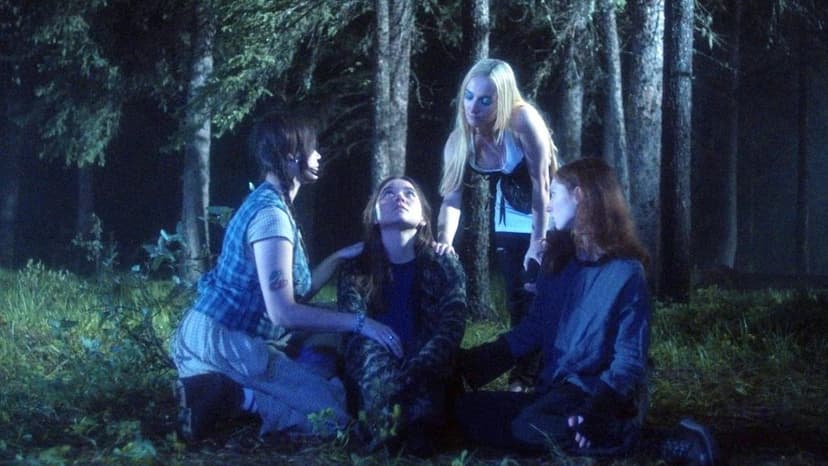
Avalon Fast's film "Camp" explores the ethereal melancholy of the otherworldly with a mischievous tone. The story centers on Emily, a young woman grappling with past tragedy, who finds self-determination through the feminine occult. After a party incident, Emily arrives at a summer camp for troubled children, ironically tasked with providing support despite her own struggles.
At the camp, Emily connects with peers like Rosie and Clara, forming a bond that evokes "The Craft" with a unique, forest-fairy aesthetic. The film employs evocative imagery, with shining stars and artificial backdrops, creating a dream-like, interstitial space between reality and fantasy. Emily's emotional journey from sadness to empowerment is portrayed as earned.
The film highlights supportive girlhood, largely excluding male characters from the narrative's focus on empowerment. While Emily questions this disregard, she accepts it as part of prioritizing herself and her newfound sorority. The narrative touches on male characters, such as Dan, whose experience is framed as a sacrifice for the feminine force granting the girls power.
"Camp" delves into practical magic, where the consequence of engaging with the occult is the rebuilding of self-esteem and a new understanding of shaping experiences. The filmmaker utilizes evocative scenes like moonlight dances and fiery rituals, maintaining an ethereal quality. The film shares thematic space with other supernatural narratives that dissect humanistic concerns.


