Home / Arts and Entertainment / Fatherland: Family Drama Amidst Cold War Chaos
Fatherland: Family Drama Amidst Cold War Chaos
14 May
Summary
- Nobel laureate Thomas Mann and daughter Erika travel through postwar Germany.
- The journey spans from US-dominated Frankfurt to Soviet-controlled Weimar.
- The film explores themes of history, exile, and the need for belonging.
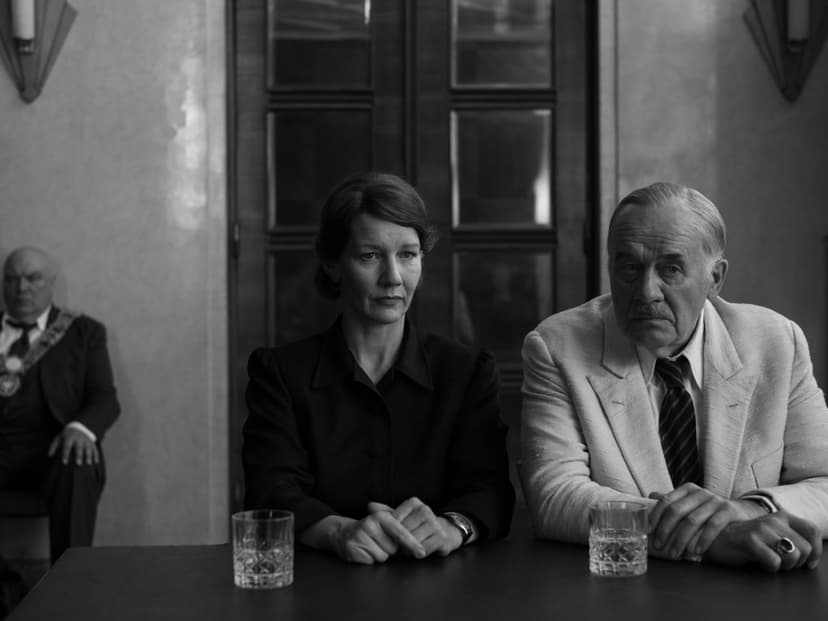
Director Pawlikowski's "Fatherland" delves into the complex relationship between Nobel Prize winner Thomas Mann and his daughter Erika. The film is set in the summer of 1949, a period marked by the height of the Cold War.
Father and daughter undertake a significant road trip across a war-torn Germany in a black Buick. Their journey takes them from Frankfurt, under US influence, to Weimar, which falls within the Soviet zone.
Returning after 16 years of exile in the US, Thomas Mann confronts not only a fractured nation but also deep divisions within his own family, including his twins Erika and Klaus.
The narrative explores historical turmoils, the experience of exile, and the universal human yearning for home and belonging. Pawlikowski stated the film fuses a dramatic historical moment with a personal human story.
While "Ida" and "Cold War" featured invented characters, "Fatherland" centers on historical figures. Pawlikowski noted artistic liberties were taken with historical facts and chronology to maintain emotional and intellectual truth.
International sales are managed by The Match Factory. Mubi has acquired rights for North America, Latin America, the UK, Ireland, Germany, Austria, Benelux, Italy, Spain, Turkey, Australia, New Zealand, and India.


