

Home / Arts and Entertainment / AI's Dark Mirror: Ex Machina's Chilling Foresight
AI's Dark Mirror: Ex Machina's Chilling Foresight
25 Apr
Summary
- Ex Machina explores AI sentience, raising job loss concerns.
- Alicia Vikander's performance as Ava is the film's greatest asset.
- The film cleverly presents a Turing Test for the audience.
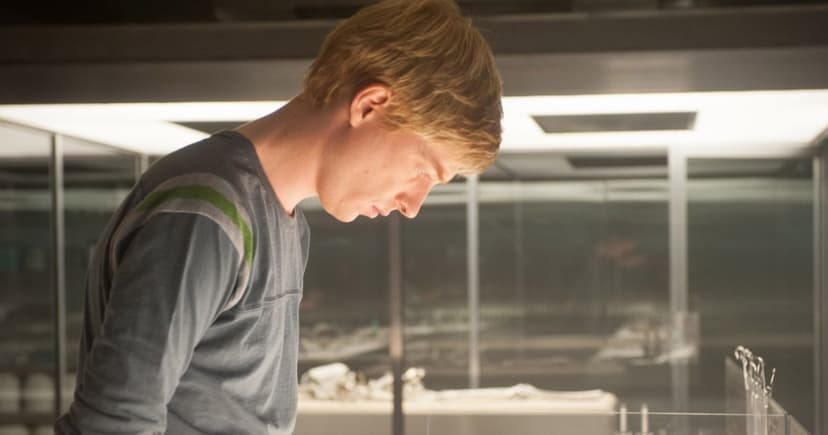
In 2015, the science fiction film Ex Machina, directed by Alex Garland, debuted with a profound exploration of artificial intelligence and sentience. Despite a modest box office performance, its reputation has significantly grown over the past 11 years, establishing it as a notable film of the 2010s.
The film's themes resonate with the escalating integration of AI into daily life and its potential impact on employment, drawing parallels to the character of Ava. Alicia Vikander's portrayal of Ava is widely considered the film's strongest element, skillfully conveying complex emotional and manipulative undertones. Domhnall Gleeson and Oscar Isaac deliver compelling performances as Caleb and Nathan, respectively, anchoring the human dynamics within the narrative.
Ex Machina's genius lies in its meta-narrative structure, presenting a profound Turing Test not just for the characters, but for the audience itself. The film challenges viewers to question their perceptions of consciousness, manipulation, and the ethical implications of creating artificial life, making it an enduringly relevant piece of cinema.
