Home / Arts and Entertainment / Looted Gospel Ignites Ethiopian Art Dispute
Looted Gospel Ignites Ethiopian Art Dispute
17 Sep
Summary
- An ancient Gondarine Gospel, stolen 160 years ago, resurfaced for sale.
- Ethiopian authorities demand its return on moral and ethical grounds.
- The dealer claims no legal basis for restitution, citing older laws.
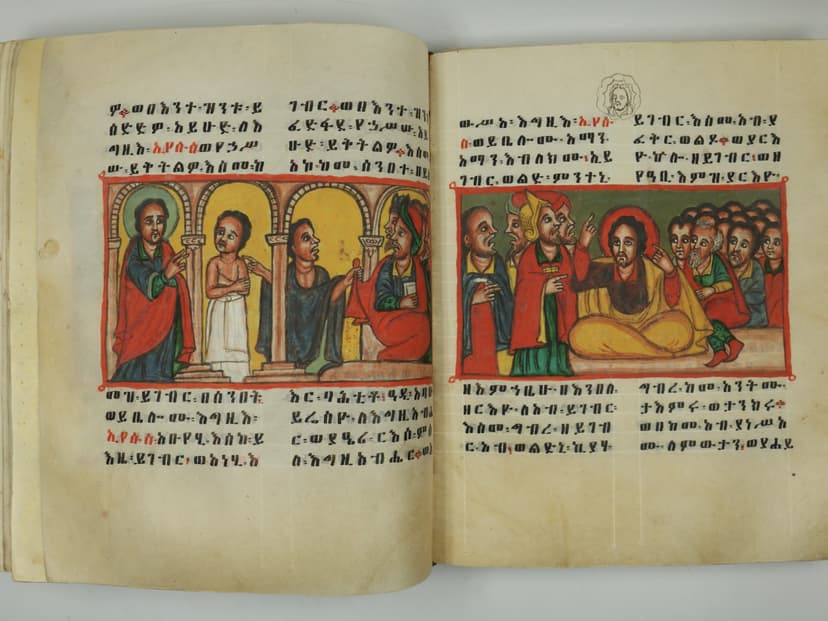
An ancient Gondarine Gospel, originally belonging to Emperor Tewodros II, has resurfaced in a private sales catalogue, initiating a significant ownership dispute nearly 160 years after its theft by British forces. The relic, estimated to be worth $250,000, was listed for sale at the Abu Dhabi International Book Fair. Ethiopian authorities have formally requested the book's removal and immediate return, citing moral and ethical imperatives.
This event has amplified calls for the wider restitution of looted artefacts from Ethiopia and revived ongoing global discussions concerning the repatriation of stolen cultural treasures from Africa held by Western institutions and private collectors. The Ethiopian Heritage Authority has emphasized the ethical unacceptability for art dealers to engage with items confirmed as looted.
However, the Vienna-based dealer, Inlibris, has rejected Ethiopia's restitution claims, arguing that no pre-18th-century laws governed the looting of cultural items during conflict, thus absolving the current owner of any obligation to surrender the manuscript. Inlibris's head stated that returning the book would be illegal from their business perspective, though they denied attempting to sell it at the fair, claiming it was merely a prop.
The Gondarine Gospel, dating likely between 1730 and 1734, features 235 intricate illustrations and is written in the ancient Ge'ez language. Its historical significance extends beyond its connection to Emperor Tewodros II, serving as a crucial artifact for studying Ethiopian manuscript culture, ancient Ge'ez literature, and the artistic traditions of Gondar. Its removal from Ethiopia occurred in 1868 after British forces looted the Battle of Magdala, with the Gospel being taken by the British commander, Robert Napier.
While thousands of relics stolen from Ethiopia remain abroad, efforts for their return are ongoing. Some Western nations have begun returning or loaning artefacts. However, the dealer has characterized communication from Ethiopian authorities as "threatening" and indicated a willingness to negotiate a "preferential price" rather than acknowledge an obligation for restitution. Historians have refuted claims of threats, stating that Ethiopian authorities proposed a principle-based withdrawal from sale followed by negotiations, a common practice in recent successful auction cancellations.


