Home / Arts and Entertainment / Donna Summer: Beyond the Disco Queen
Donna Summer: Beyond the Disco Queen
6 Oct
Summary
- New compilation showcases Summer's rock, synth-pop, and country influences.
- Summer aimed to prove her range beyond the disco genre.
- Box set features live theater background and diverse musical explorations.
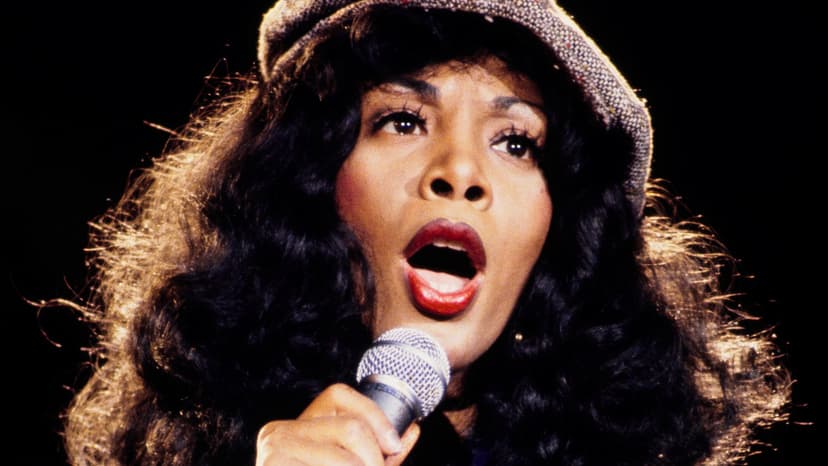
Donna Summer, forever linked to disco anthems like "Love to Love You Baby" and "I Feel Love," is being celebrated for her wider musical palette. A new seven-CD or ten-LP compilation, "Donna Summer: The Casablanca Studio Albums," released this month, aims to showcase the breadth of her artistic endeavors.
Summer, who passed away in 2012, often expressed frustration that audiences in America were unaware of her extensive European musical theater background or her ability to perform various genres. She sought recognition beyond her "Queen of Disco" title.
While the compilation includes her signature disco hits, it also delves into Summer's explorations of Broadway-style show tunes, new-wave synth-rock, girl-group sounds, and jazz. Albums like "I Remember Yesterday" (1977) were conceived as chronological musical journeys, demonstrating her range from the 1940s to futuristic sounds.
Even her 1979 album "Bad Girls" featured rock influences, with Jeff (Skunk) Baxter contributing a guitar solo to "Hot Stuff." Producers aimed to move Summer away from pure disco, embracing rock and guitar-driven sounds.
The Casablanca label, known for artists like Kiss and Parliament, also had a reputation for a wild atmosphere. Despite this, the quality of the musical work produced during Summer's tenure is emphasized by her husband, Bruce Sudano.
Summer's time with Casablanca ended with a lawsuit over creative control and royalties, leading her to sign with David Geffen's label. Her estate, managed by Sudano and their three daughters, authorized the new box set, which, along with other recent collections, underscores Summer's remarkable versatility.
Giorgio Moroder, often called the "Father of Disco," related to Summer's desire for broader recognition, noting his own preference to be known as an "electronic guy" rather than solely a "disco guy."


