Home / Arts and Entertainment / DJ Deepfakes: The New Threat to Music Clout
DJ Deepfakes: The New Threat to Music Clout
2 Mar
Summary
- Producers fake DJ performance videos with their own music.
- AI-generated deepfakes impersonate DJs, raising authenticity concerns.
- New legislation aims to protect artists' voices and likenesses.
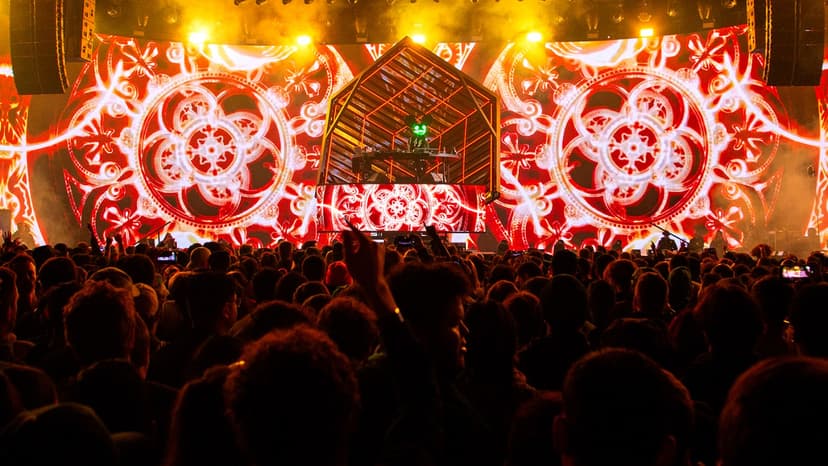
The dance music industry is grappling with a new threat: "clout deepfakes." This trend involves producers fabricating popularity by manipulating video footage of established DJs performing to large crowds. They overlay their own music onto these clips, creating a false sense of momentum and potentially deceiving fans and even record labels.
This issue has escalated with AI-generated deepfakes. Artists like deadmau5 have reported instances of AI impersonations featuring their likeness and voice promoting unknown producers. His legal team is actively working on the bipartisan NO FAKES Act of 2025, which aims to establish new intellectual property rights for voices and likenesses to combat exploitation.
The rise of these deepfakes reflects broader shifts in music promotion. With the increasing dominance of short-form video content on platforms like TikTok and Instagram, the emphasis has moved from album rollouts to single releases. Major labels have scaled back artist development, often signing tracks based on viral social media reactions, making it harder for new artists to gain authentic traction.
This environment incentivizes artists to "game the system" through deceptive practices. Achieving significant visibility, often requiring over 10 million views, is now a prerequisite for label attention. Consequently, fake co-signs and manipulated content are becoming normalized tactics, blurring the lines between genuine success and manufactured hype.