Home / Arts and Entertainment / Actress slams 'misogynistic' JFK Jr. show portrayal
Actress slams 'misogynistic' JFK Jr. show portrayal
6 Mar
Summary
- Actress Dina Merrill criticizes portrayal in JFK Jr. TV series.
- She denies drug use and hosting parties attributed to her.
- Merrill argues the show perpetuates harmful gender stereotypes.
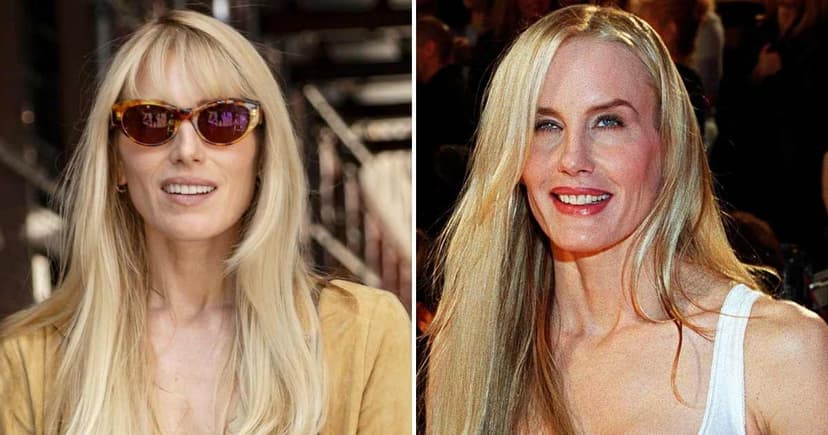
Actress Dina Merrill is speaking out against a recent television series focusing on John F. Kennedy Jr. and Carolyn Bessette, asserting that her portrayal in the show is inaccurate and harmful. In a New York Times essay published on March 6, 2026, Merrill stated that engaging with distortion often amplifies it. However, she felt compelled to respond after the show depicted a character using her name and presenting her in a negative light.
Merrill, who is portrayed by Dree Hemingway, disputes the series' narrative, particularly quotes from producers describing her as a narrative obstacle. She contends that using real people as narrative devices is problematic and highlights a gendered dimension in popular culture where women are often pitted against each other. Merrill specifically refutes claims of drug use, hosting cocaine-fueled parties, pressuring marriages, desecrating heirlooms, or intruding on memorials, calling these assertions "untrue."
Producers defended their creative choices, stating they conducted extensive research to be true to the characters' experiences. They acknowledged Merrill's concerns about fame and its pressures, suggesting her warnings about Carolyn Bessette's struggles with celebrity proved accurate. However, Merrill countered that fictional dramatizations using real names can lead to severe real-life consequences, including hostile messages from viewers, and can permanently damage a reputation.
Merrill also defended her past discretion regarding the Kennedy family's privacy, contrasting her own work in environmental advocacy and animal-assisted therapy with what she describes as sensationalist gossip. She stressed the importance of an intact reputation for continuing her meaningful work, concluding that online lies endure longer than factual information and that real names are not fictional tools but belong to real lives.