Home / Arts and Entertainment / Delhi's Havelis: A Tale of Two Futures
Delhi's Havelis: A Tale of Two Futures
24 Mar
Summary
- Many historic havelis in Old Delhi are crumbling due to neglect.
- Multiple heirs and inheritance disputes hinder costly restoration efforts.
- Revival requires neighborhood regeneration, not just isolated projects.
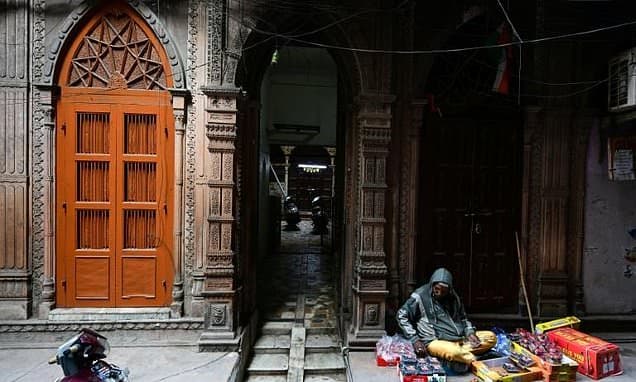
Grand residences of Mughal-era nobility in India's capital, Delhi, now stand at a fragile crossroads. Many of these historic havelis in Old Delhi are succumbing to neglect, with cracked facades and sagging balconies telling a story of heritage under siege. Only a few restored pockets offer a glimpse into their architectural past, featuring airy courtyards and carved sandstone pillars.
However, the stark reality in the narrow lanes of Chandni Chowk reveals numerous havelis abandoned or on the verge of collapse, their ornate details fading. This contrast underscores two potential futures: one of careful restoration and another of gradual decay. Founders of cultural centers note that splitting ownership among multiple heirs often paralyzes investment in costly upkeep.
Restoration efforts face significant challenges, including bureaucratic hurdles and family disputes pushing for commercial conversions. Heritage experts emphasize that the revival of these havelis is only possible through neighborhood-level regeneration, rather than isolated, showpiece projects. The loss of each haveli signifies not just an architectural structure but a piece of art and a fragment of a once-vibrant social ecosystem.