

Home / Arts and Entertainment / Did Dark's Time Loop Truly End?
Did Dark's Time Loop Truly End?
14 Feb
Summary
- The series explored time travel and alternate realities.
- Its ending left fans debating the fate of the time loop.
- Creators built a complex narrative across multiple timelines.
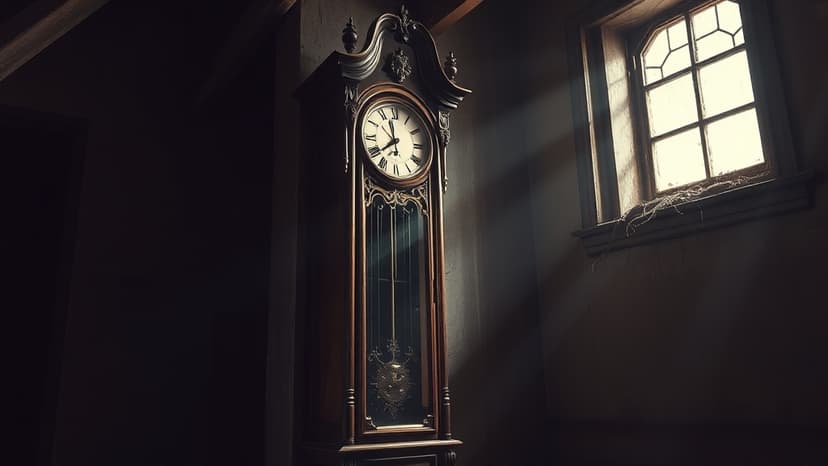
The German sci-fi mystery series 'Dark,' which aired from 2017 to 2020, has continued to intrigue fans long after its finale. The show intricately wove a narrative of time travel, paradoxes, and alternate universes centered around four families in the fictional town of Winden.
At its core, 'Dark' explored themes of fate, free will, and the nature of time itself. Characters journeyed between different eras, including 1953, 1986, and 2019, uncovering a mysterious time portal and a recurring cycle.
The series finale revealed that most of the story unfolded across two parallel worlds, both originating from a time machine built by clockmaker H.G. Tannhaus. His attempt to save his family inadvertently split reality and trapped inhabitants in endless loops.
Claudia identified that preventing the original car accident that led to Tannhaus's family's death was the key. Jonas and Martha, from different alternate worlds, collaborated to stop this accident in the original world.
This single act erased the time machine, the parallel realities, and Jonas and Martha themselves, as they owed their existence to the temporal loops. The ending depicted the surviving characters living normal lives, free from time travel's influence.
Despite the conclusive ending, fan theories persist, fueled by paradoxical elements and a final scene hinting at déjà vu. The debate continues: was the loop truly broken, or do lingering echoes suggest otherwise, keeping the show's philosophical questions alive?
