Home / Arts and Entertainment / Cosmic House: Where Art Meets Existential Dread
Cosmic House: Where Art Meets Existential Dread
22 Apr
Summary
- The Cosmic House is a Victorian townhouse transformed into a cosmic order vision.
- Julien's film features sci-fi deities discussing existence in diverse settings.
- The film emphasizes universal connection over fixed identities.
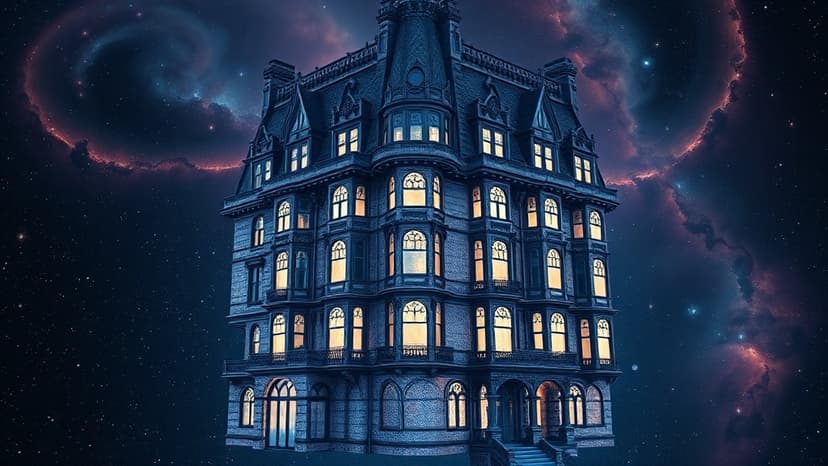
The Cosmic House, originally transformed by Charles Jencks and Maggie Keswick into a vision of cosmic order, now serves as a unique venue for Isaac Julien's latest video art. This postmodernist architectural marvel features a "solar stair" and thematic floors, culminating in a basement installation.
Julien's 25-minute film, displayed amidst mirrors, presents Sheila Atim and Gwendoline Christie as sci-fi deities exploring profound themes. Their conversation, set against varied backdrops from Renaissance palazzos to modern homes, delves into the end of the world and the nature of God, interspersed with fantastical elements.
Inspired by Octavia E. Butler's "Parable of the Sower," the film articulates the idea that everything is in flux. It champions the concept of universal connection, suggesting that recognizing our interconnectedness might foster a greater appreciation for our environment.
This artistic statement, while potentially perceived as pretentious, aligns harmoniously with the Cosmic House's eclectic and intellectual ambiance. It offers a revolutionary perspective on identity, advocating for empathy and the embrace of difference as sources of strength, echoing themes of solidarity against division.


