
Home / Arts and Entertainment / Coppola's Dracula: A Practical Effects Masterpiece?
Coppola's Dracula: A Practical Effects Masterpiece?
6 Jun
Summary
- Francis Ford Coppola directed the wild 1992 film adaptation.
- The film stuck closer to Bram Stoker's novel than previous versions.
- It may be the last studio film using only practical effects.
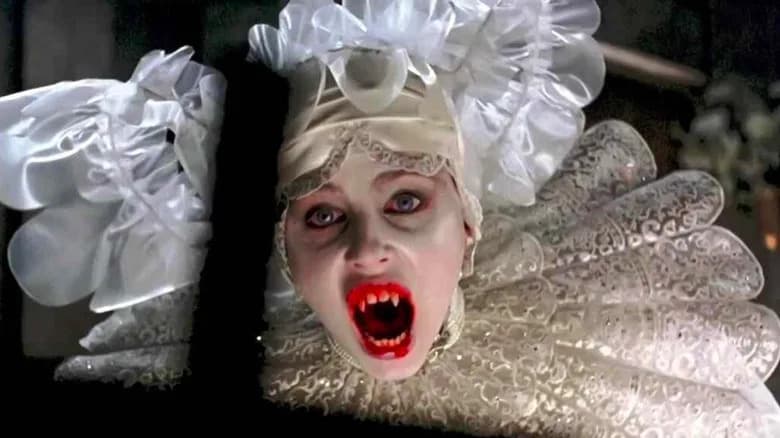
In 1992, Francis Ford Coppola helmed a visually stunning adaptation of Bram Stoker's iconic vampire novel, creating a fever-dream cinematic experience. Titled "Bram Stoker's Dracula," this version diverged from predecessors by closely following the source material, presenting a bloody, operatic, and famously extravagant take on the Count.
The film proved to be a considerable commercial success, a welcome outcome for Coppola after a period of less fortunate ventures. It stands out for its bold, loud aesthetic and extensive use of practical effects.
Remarkably, Coppola's "Dracula" might represent the final instance of a major studio film achieving its fantastical imagery purely through in-camera, practical means. While critical reception was divided upon release, the film has since garnered significant acclaim among aficionados, solidifying its status as a celebrated adaptation.
