Home / Arts and Entertainment / NYC's 80s Underworld: Art, Crime, and the 'Churn'
NYC's 80s Underworld: Art, Crime, and the 'Churn'
21 Jul
Summary
- The novel captures New York City's gritty 1980s scene.
- A furniture dealer profits from selling stolen goods.
- The story explores societal divides and cultural shifts.
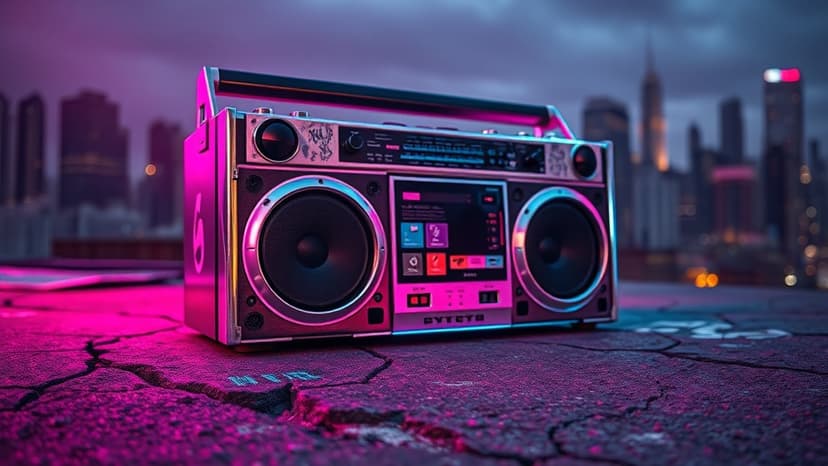
Colson Whitehead's 'Cool Machine' vividly portrays the grit and grandeur of New York City during the 1980s. This final installment of the Harlem Trilogy delves into a city transformed by hip-hop, graffiti, and growing economic inequality.
The narrative centers on Ray Carney, a pragmatic dealer whose furniture business on 125th Street hides a lucrative sideline as an underworld fence. He facilitates 'the churn,' the movement of stolen goods that he believes refreshes culture and fuels the economy.
The novel intertwines crime capers with a sweeping portrait of New York's evolving social fabric across three interconnected tales spanning 1981 to 1986. It highlights stark contrasts, from the homeless communities beneath Manhattan to the vibrant art scene.
'Cool Machine' also examines cultural appropriation, featuring disputes over African artifacts and sports memorabilia. It reflects on the city's constant flux, where neighborhoods and populations continually shift, symbolizing a cycle of death and rebirth.


