Home / Arts and Entertainment / Christiania: Anarchy, Bears, and a Filmmaker's Family Saga
Christiania: Anarchy, Bears, and a Filmmaker's Family Saga
9 Mar
Summary
- Filmmaker documents Christiania, a 50-year-old social experiment.
- Film explores Christiania's journey from anarchy to facing drug violence.
- Director's family history intertwined with Christiania's unique narrative.
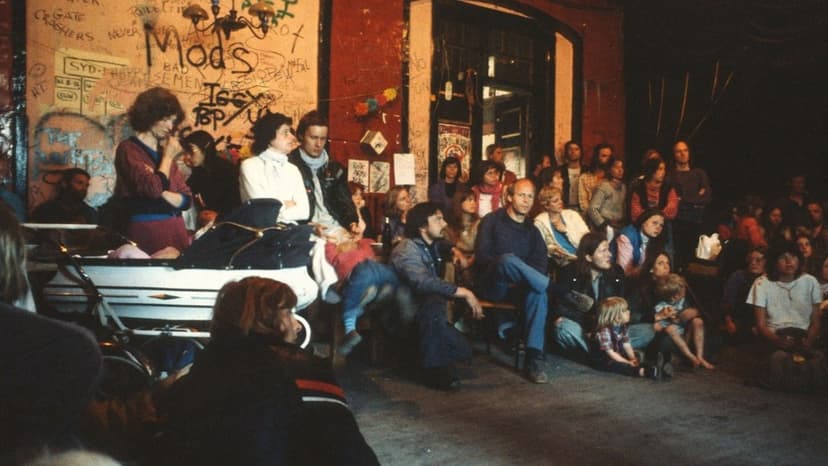
Karl Friis Forchhammer's documentary "Christiania" offers an intimate portrayal of Denmark's unique freetown, a social experiment established in 1971 on a former military base. The film explores the commune's founding principles of anarchy and self-governance, detailing how "one thousand people made a parallel society with their own rules." However, Christiania also faced significant challenges, particularly from drug dealing centered on Pusher Street, which became known as "Denmark's most violent street." Residents took drastic measures, including digging up the street, to combat this threat following fatal shootings. Friis Forchhammer's connection to Christiania is deeply personal; his parents met there, and he grew up hearing fantastical tales of its inhabitants, including an alcoholic black bear. This intimate background allowed him unprecedented access. He participated in community meetings, where decisions are made by consensus, navigating the residents' inherent distrust of outsiders. His father's role as Christiania's doctor also facilitated trust, giving him "one foot out of Christiania, and one foot in." The film was screened for residents, who reacted emotionally, appreciating its balanced depiction of their challenging yet cherished way of life. The documentary also recounts the story of Rikke, an alcoholic black bear that was a colorful, albeit dangerous, part of Christiania's history before being relocated.