Home / Arts and Entertainment / Cannes Buzz: 'The Black Ball' Stuns with 22-Minute Ovation
Cannes Buzz: 'The Black Ball' Stuns with 22-Minute Ovation
22 May
Summary
- The film explores themes of inherited shame and violence across different eras.
- It serves as a tribute to the influential gay Spanish poet Federico García Lorca.
- The movie features openly gay actors in lead roles alongside stars like Penélope Cruz.
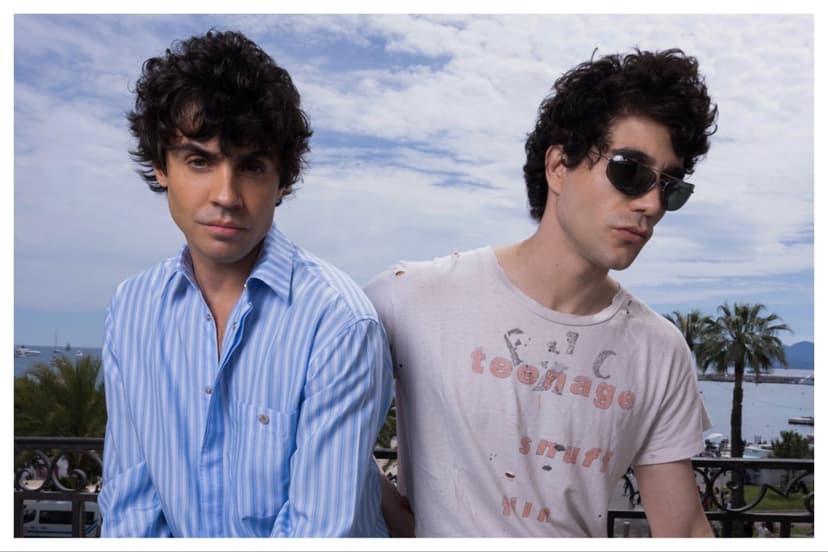
Spanish directorial duo Javier Calvo and Javier Ambrossi have captivated audiences at Cannes with their Palme d'Or contender, "The Black Ball" (La Bola Negra), which garnered a lengthy 22-minute standing ovation. The film weaves together the stories of three men across distinct historical periods: 1932, 1937, and 2017.
Inspired by Alberto Conejero's play "Dark Stone" and an unfinished work by Federico García Lorca, the movie addresses the destructive nature of poor communication and its link to violence. Directors Ambrossi and Calvo highlighted how the film depicts evolving societal contexts for gay men.
"The Black Ball" uses Lorca's metaphor of a 'black ball' to represent inherited fear and shame. The directors emphasized this metaphor's resonance for gay, LGBT, and queer individuals, signifying a generational inheritance of shame and pain, and celebrating art that endures.
The cast prominently features openly gay actors Miguel Bernardeau and Carlos González in leading roles, alongside singer-songwriter Guitarricadelafuente. They are joined by acclaimed actresses Penélope Cruz, Glenn Close, and Lola Dueñas, contributing to the film's universal appeal.
Ambrossi stated the casting of openly gay actors was a deliberate choice, aiming to create a queer film that serves as a tribute to Federico García Lorca, a pivotal figure in Spanish history. He expressed a desire for queer audiences to connect with the film's authentic portrayal of rejection and inner struggle.
The directors also aimed to elevate LGBT stories beyond niche categories, creating a "big movie" with stars like Penélope Cruz to ensure broader connection and engagement with audiences worldwide. They believe LGBT narratives possess universal resonance.


