Home / Arts and Entertainment / Cox's 'Thanatos': Decay, Death, and Divine Desolation
Cox's 'Thanatos': Decay, Death, and Divine Desolation
23 Nov
Summary
- Album meditates on bodily, spiritual, political, and sonic decay.
- Cox recorded the album alone in his Atlanta attic.
- Thanatos, in Greek mythology, personifies and brings death.
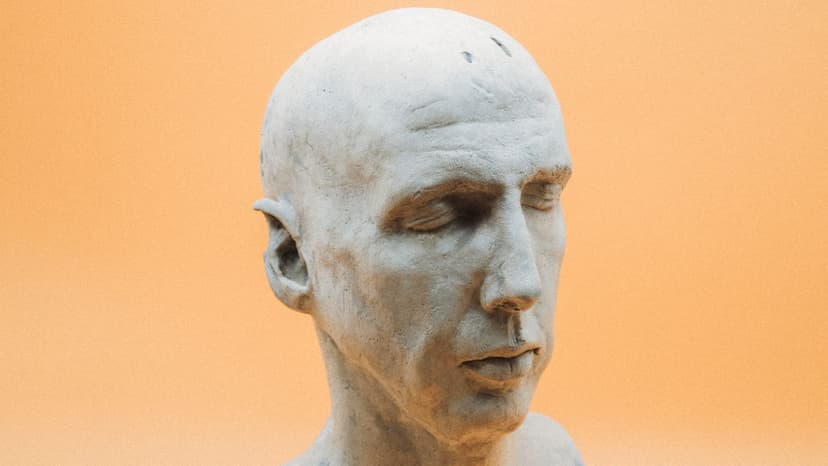
Bradford Cox's first solo album in fifteen years, titled "Thanatos," presents a haunted, autumnal reflection on various forms of decay.
Recorded by Cox alone in his Atlanta attic, the album delves into bodily, spiritual, political, and sonic decomposition. Cox's vocal delivery emphasizes the interplay between breath and body, contributing to the unsettling atmosphere. The music eschews the serenity found in his earlier work, opting for muted tones and percussive synths and guitars.
The album's themes are starkly illustrated through lyrics describing barren lands, lack of medicine, and nightmare visions of mold and flesh. The title "Thanatos," the Greek personification of death, frames the album's core inquiry into mortality and the inevitability of decline. "Thanatos" is an album concerned with decay, suggesting that salvation may not be readily available, but finding a "parenthetical grace" on the margins.
Despite its solitary creation, "Thanatos" possesses a communal feel, with multitracked vocals creating an ensemble sound. The music exhibits a funky, improvisational quality reminiscent of cult avant-psychedelic ensembles. Tracks like "Come and See" showcase Cox's distinctive vocal style and profound lyrical explorations of nature's mercilessness and humanity's fleeting illusions.


