Home / Arts and Entertainment / Botticelli's Muse: Tumor Revealed in Art?
Botticelli's Muse: Tumor Revealed in Art?
20 Jun
Summary
- Simonetta Vespucci, Botticelli's muse, likely died from a pituitary tumor.
- Her illness symptoms may be depicted in Botticelli's famous paintings.
- AI analysis confirmed the tumor theory based on portraits of Simonetta.
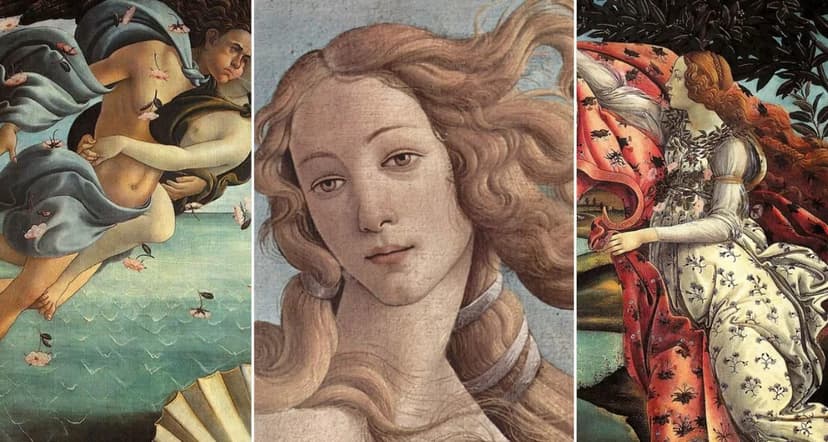
The ethereal gaze in Sandro Botticelli's masterpieces, notably "Birth of Venus," may be linked to the pituitary tumor that claimed the life of his muse, Simonetta Vespucci. Previously attributed to tuberculosis, her death in 1476 at age 23 is now believed by researchers from Queen Mary University of London to be caused by a rapidly growing brain tumor.
Evidence suggests Botticelli's paintings offer clues to her condition. For instance, "Allegorical Portrait of a Woman" depicts her lactating without having children, a possible symptom of hormone excess from the tumor. AI analysis of five portraits further supported the theory, indicating that even Venus's distinctive stare could be a sign of her illness.
Her final days were marked by symptoms detailed in historical letters, including headaches, hallucinations, and fever, consistent with a pituitary tumor. Researchers noted that the onset of her fatal condition may have been triggered by dancing or an assault. Botticelli's deep affection for Vespucci is suggested by his dying wish to be buried at her feet.


