

Home / Arts and Entertainment / Bollywood's Time Warp: Why Old Classics Still Rule
Bollywood's Time Warp: Why Old Classics Still Rule
13 Apr
Summary
- The Academy recognized 'Dilwale Dulhania Le Jayenge' on a travel-romance list.
- Released in 1995, DDLJ maintains emotional relevance decades later.
- Newer Bollywood films struggle to achieve similar lasting cultural impact.
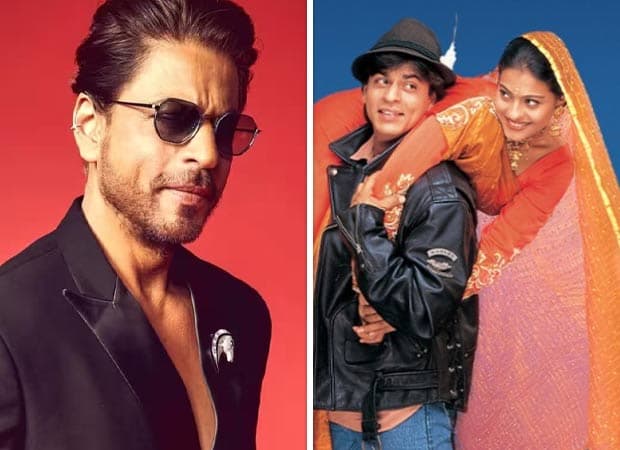
The film 'Dilwale Dulhania Le Jayenge,' released in 1995, recently received a spotlight from The Academy on a travel-romance watchlist. This event underscores Bollywood's complex relationship with its past, as the film seamlessly re-entered global conversation not as a relic, but as a living memory.
Bollywood consistently emphasizes future projects, new faces, and upcoming blockbusters, driven by an evangelical urgency to sell novelty. However, enduring films like DDLJ resurface, reminding the industry of permanence. This is not merely nostalgia; it is about a film's remarkable endurance, maintaining emotional legitimacy and symbolic authority decades after its release.
While international nods are flattering, they revive questions about why Hindi cinema relies on older romances for proof of timelessness. Contemporary Bollywood is more brand-conscious and strategic, focusing on opening weekends and digital velocity. Romances crafted for short-term excitement may not achieve the civilizational memory DDLJ possesses.
DDLJ requires no introduction or defense; its cultural significance is ingrained. The true story is how naturally The Academy's mention made sense, as DDLJ already occupies a space reserved for films transcending their release dates. The concern is that newer films struggle to earn this status.
Bollywood faces a contradiction: selling tomorrow with confidence while yesterday offers the strongest proof of greatness. This isn't an argument against progress, but against amnesia. The issue isn't DDLJ's lasting love, but the scarcity of new romances capable of commanding a similar long afterlife.
