Home / Arts and Entertainment / VR Experience Demands Your Biometrics
VR Experience Demands Your Biometrics
4 Jul
Summary
- Attendees must sign over biometric data for the VR experience.
- A digital clone, LifeAgent, is created using your face and voice.
- Data is stored for four weeks, with an option for early deletion.
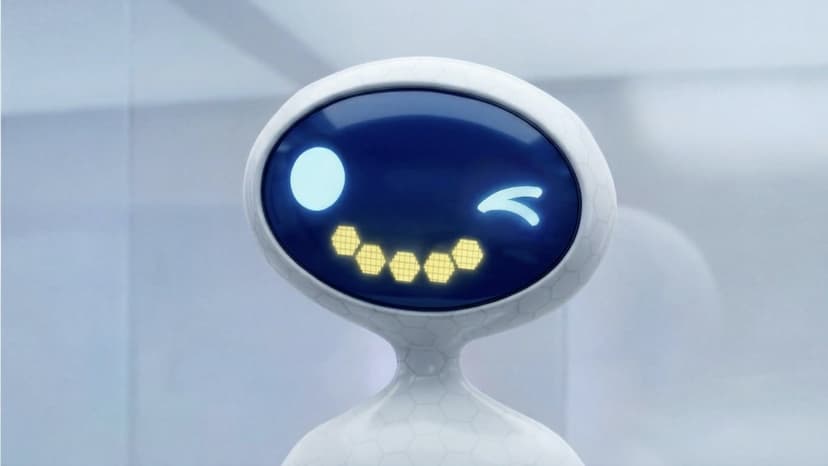
A new virtual reality experience, dubbed the Black Mirror Experience, has opened at The Shed in New York City. This immersive event requires participants to consent to the use of their biometric data, specifically their face and voice, to create a digital replica known as a LifeAgent. This AI clone is intended to handle undesirable tasks and assist users in achieving personal goals.
The process involves a "neural scan" with interactive mini-games and a session with an AI Sigmund Freud who analyzes dreams and generates images. Upon completion, attendees meet their LifeAgent, a digital doppelganger that can be unsettling given the rise of AI deepfake technology. Despite the initial premise evoking concerns about data privacy and identity, the experience shifts into a sci-fi action sequence.
While the VR environments are noted as impressive, the narrative diverges from the cautionary tales typical of Black Mirror, opting for bombastic action over a profound examination of AI's ethical implications. The experience briefly touches upon issues like identity theft and alienation but concludes by celebrating AI technology, even offering the LifeAgent as a souvenir video, which some find to be a stark reminder of unchecked technological advancement.


