

Home / Arts and Entertainment / Tourette's Outburst Rocks BAFTAs: BBC Faces Backlash
Tourette's Outburst Rocks BAFTAs: BBC Faces Backlash
8 Apr
Summary
- BBC breached editorial standards with Tourette's sufferer's racial slur.
- The unintentional breach occurred during the Bafta film awards ceremony.
- The corporation's investigation called the slur 'highly offensive'.
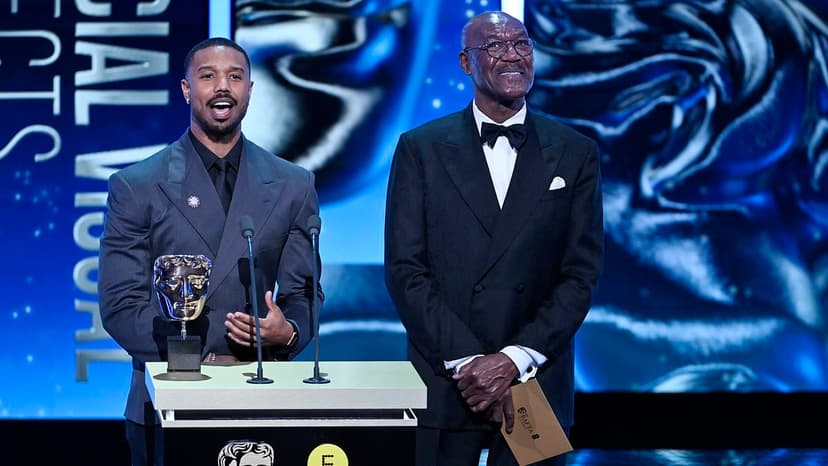
The BBC has admitted to breaching its editorial standards following an incident during the Bafta film awards in February where a Tourette's sufferer inadvertently uttered a racial slur. The corporation's Executive Complaints Unit (ECU) concluded that broadcasting the N-word was "highly offensive" and lacked any "editorial justification." However, the breach was characterized as unintentional.
The offensive word was blurted out by John Davidson, whose Tourette's syndrome causes involuntary tics, including shouting expletives. This occurred while actors Michael B. Jordan and Delroy Lindo were presenting an award. Davidson, who left the auditorium to avoid further upset, later suggested the BBC should have better prevented the outburst.
Significant criticism followed the BBC's failure to edit out the slur before airing the ceremony, which was not live. The BBC's outgoing director-general, Tim Davie, initiated an urgent investigation, terming the event a "serious mistake." The corporation had previously apologized to staff for the oversight.
The ECU identified multiple breaches: the initial broadcast of the slur, the failure to edit it from the time-delayed showing, and the delay in removing it from the iPlayer version. The report noted a lack of clarity among the production team regarding the audibility of the slur, leading to a delay in its removal from iPlayer. This delay aggravated the offense caused.
Separately, the BBC also faced accusations of breaching standards by editing out "free Palestine" from an acceptance speech. The ECU report stated that this edit was primarily due to time constraints for the broadcast, prioritizing the main focus of the event rather than impartiality considerations.
