Home / Arts and Entertainment / Batman Returns: Dark, Twisted, and Franchise-Defining
Batman Returns: Dark, Twisted, and Franchise-Defining
30 Jul
Summary
- McDonald's noted concerns over the sequel's consumer-unfriendly content.
- The film features graphic violence and a morally ambiguous Batman.
- Michelle Pfeiffer's Catwoman transformation echoes J-horror tropes.
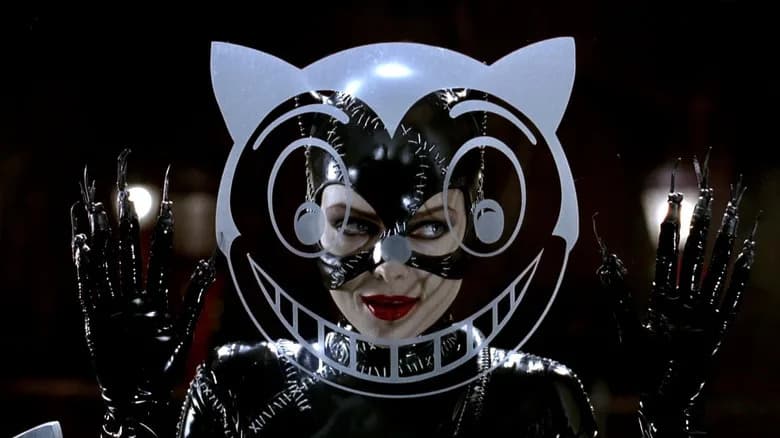
Nearly four decades ago, "Batman Returns" premiered, leaving an indelible mark on how film franchises were conceived and marketed. Director Tim Burton noted that the concept of a 'franchise' was less prevalent when he helmed the original "Batman" in 1989. It was on "Batman Returns" that he first received notes from a major fast-food franchise, McDonald's, who expressed reservations about the sequel's intensely consumer-unfriendly elements.
The film distinguished itself with a startlingly dark narrative. It depicted a circus freak breathing fire and Batman himself using lethal force, including explosive tactics that resulted in the demise of henchmen. The sequel also introduced Selina Kyle, who, after a violent death, was revived by cats and transformed into the vengeful Catwoman. Her characterization, a blend of antihero and villain, was notably intense and provocative.
Despite its dark themes, "Batman Returns" is also set during Christmas, creating a unique, nightmarish atmosphere that predated other holiday-themed dark fantasies. The presence of Danny DeVito's sewer-dwelling Penguin, complete with double entendres, added another layer of unsettling complexity to the film's distinctive vision.


