Home / Arts and Entertainment / Blind Girl's Story: Superstition vs. Dreams in Bangladesh
Blind Girl's Story: Superstition vs. Dreams in Bangladesh
16 Jun
Summary
- Film explores women's dreams defying village superstition and conservatism.
- Black and white cinematography symbolizes the characters' colorless lives.
- Director draws inspiration from his own experiences with patriarchy.
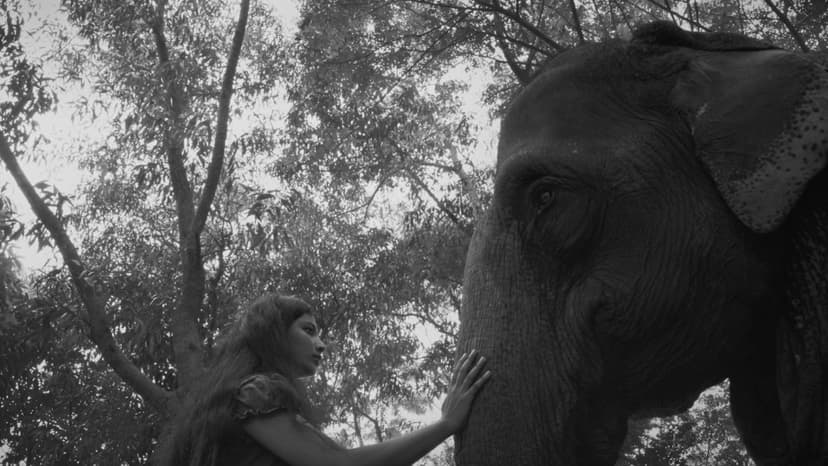
Ishtiyak Ahmad Zihad's debut feature, "The Blind Girl and an Elephant," recently premiered at the Shanghai International Film Festival, competing in the Asian New Talent section. The film is set in a remote Bangladeshi village and follows three women who dream of escaping a world dominated by superstition and religious conservatism. These aspirations lead to increasingly dire consequences for each character.
The director, Zihad, explained that the elephant in the title symbolizes how women in Bangladesh are perceived. He stated, "In my thought or assumption, I think that women in our country see themselves as a giant elephant, but they are harmless. But males see them as a threat." This metaphor highlights the perceived threat women pose despite their harmless nature.
Shot in black and white, the film's aesthetic choice deliberately reflects the protagonists' lives. Zihad believes color is realistic, but black-and-white is more realistic for his film style, portraying a "colorless life" for the three girls. This stylistic decision underscores the oppressive and limited circumstances faced by the characters.
"The Blind Girl and an Elephant" also tackles sensitive issues like sexual assault and the lack of justice for victims, particularly when perpetrated by religious figures. Zihad attributes this to distorted religious practices stemming from a lack of proper Islamic education. He noted the media's reluctance to cover such sensitive topics due to religious sensitivities.
The film's emotional core lies in female friendship, a theme inspired by Zihad's own upbringing and his sister's close female friendships. He aims to tell stories about "our own people, their rights, their dreams, their desires." Zihad also observes a new wave in Bangladeshi cinema, with several films from new-generation directors gaining international recognition.
Zihad is already developing his next project, a feature titled "Mother Stitching Her Last Story," which explores the bond between a mother and son. The film is currently in early script development.


