Home / Arts and Entertainment / Bad Bunny Proves Latinos Belong in Country Music
Bad Bunny Proves Latinos Belong in Country Music
15 Feb
Summary
- Bad Bunny's halftime show emphasized Latino inclusivity.
- Mexican-American artist Daya Dorado blends norteño and country.
- Country music has a significant, untapped Latino audience.
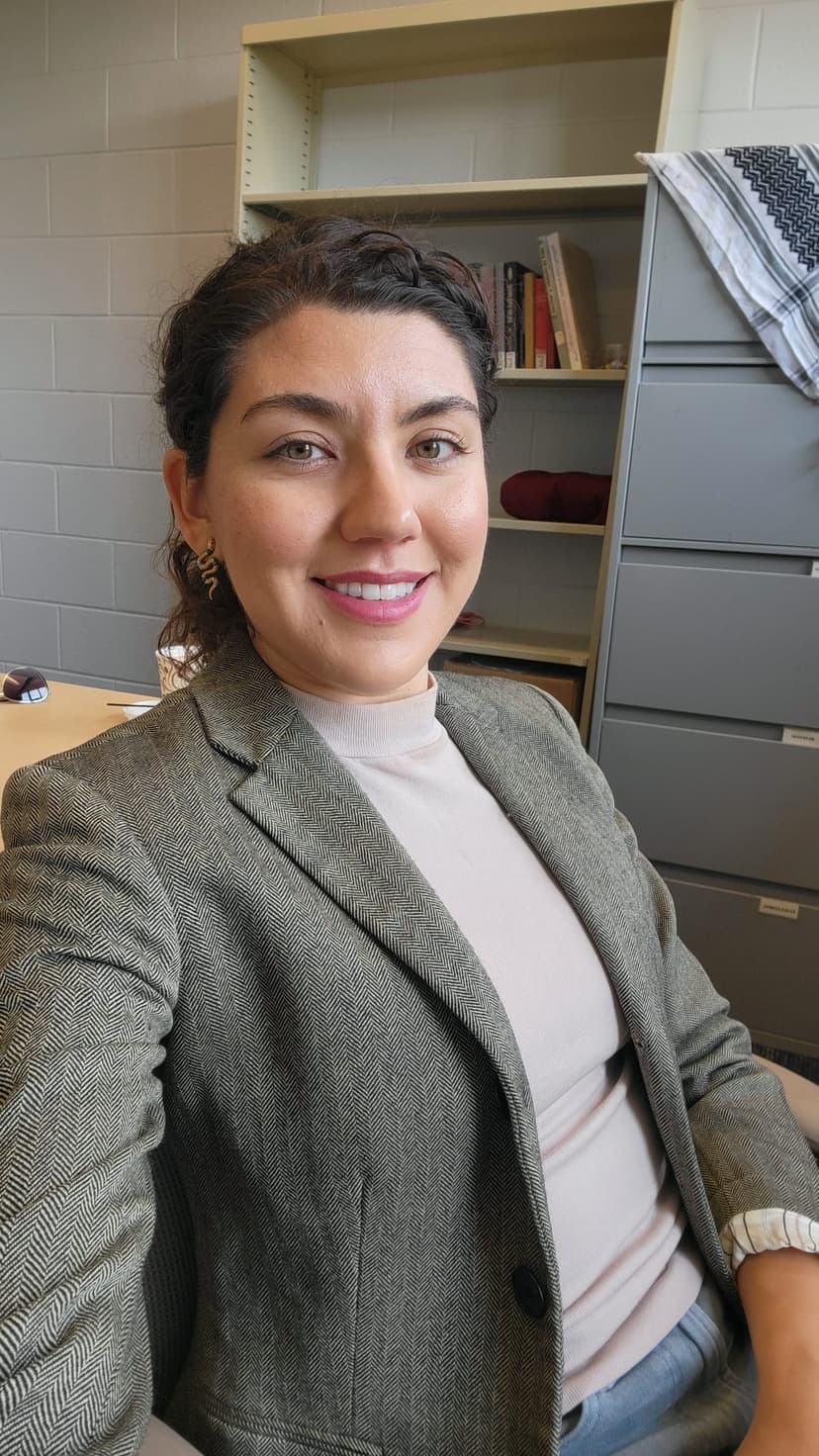
Bad Bunny's recent Super Bowl performance underscored the vital role of Latin America in the broader concept of "America," advocating for greater inclusivity for working-class Latinos and immigrants. His grand finale, featuring flags from across the hemisphere, sent a powerful message that the continent is incomplete without its Latin American components.
This inclusive vision has implications beyond sports. Mexican-American artist Dayanara Dorado, known as Daya Dorado, sees a parallel need within the country music scene. Growing up in El Paso, Texas, she noticed musical similarities between Mexican norteño and Texan country, yet was told U.S. country music was not for Latinos.
She describes this perceived musical divide as artificial, citing the structural similarities between Mexican corridos and country music. Dorado found inspiration in Brazilian sertenejo, or "Brazilian country," which mirrors classic U.S. country themes of rural life and small-town experiences, often featuring acoustic guitars and accordions.
Dorado's experience abroad solidified her belief in the universal appeal of rural nostalgia. This led to her trademark "Tex-Mex Country" brand, with her debut album set for release later this year. She believes country music can capitalize on an immense, overlooked market of Latinos seeking to see their heritage reflected in music.
Bad Bunny's performance, by affirming the value of diverse contributions, achieved what country music has yet to fully embrace. Dorado suggests that by acknowledging and welcoming this audience, country music can connect with a generation looking to reconcile their borderland experiences with their childhood soundtracks.