Home / Arts and Entertainment / Backrooms Film Mirrors Modern Existential Dread
Backrooms Film Mirrors Modern Existential Dread
2 Jun
Summary
- Film links economic precarity to horror of being trapped.
- Protagonist's struggles reflect societal anxieties and stagnation.
- Backrooms concept visualizes modern fears of obsolescence.
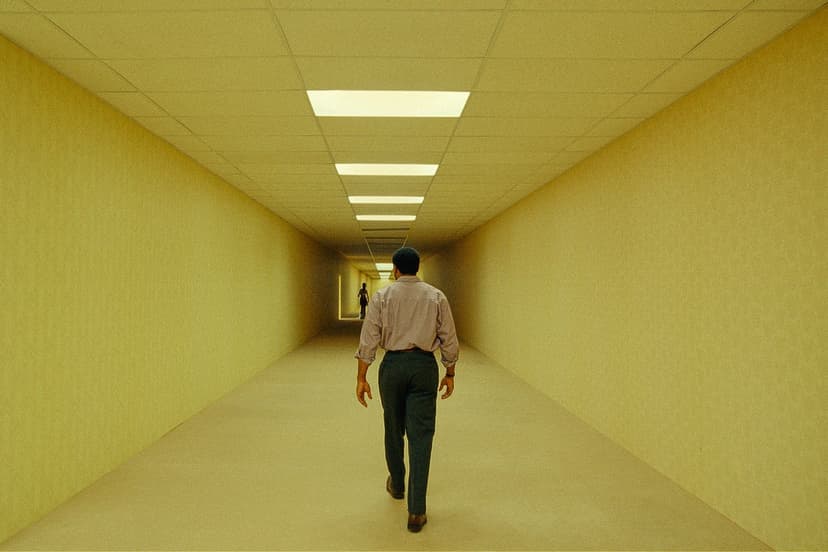
The latest horror film from A24, titled "Backrooms," delves into profound modern anxieties by translating them into a physical, nightmarish labyrinth. The movie centers on Clark, an architect who becomes lost in an endless maze of disorienting rooms, a concept adapted from a popular internet urban legend. This surreal environment serves as a potent metaphor for the struggles of surviving in an economy that fails to meet future expectations.
Clark's predicament resonates with audiences experiencing precarity, social isolation, and the fear of becoming obsolete. The film suggests that his real nightmare began long before entering the "Backrooms," as he grapples with a declining business and failed ambitions. This reflects a broader social condition where individuals feel like "locked citizens," unable to escape circumstances and facing thwarted dreams, a phenomenon termed "claustropolitanism."
Beyond the entrapment, "Backrooms" explores themes of resentment and misplaced anger. Clark's inability to achieve economic mobility fuels his frustration, leading him to lash out at others, including his employees and estranged wife. This projection of anger onto vulnerable groups is presented as a significant aspect of the claustropolitan experience, where existential uncertainty redirects frustration away from structural issues.
The film's concept of the "Backrooms" offers a tangible way to conceptualize personal and economic anxieties. The endless, monotonous movement through the maze without progress mirrors the feeling of being trapped in a society constrained by insecurity and limited opportunities. Ultimately, "Backrooms" serves as a cautionary reflection, implying that the most frightening labyrinth is often the one we already inhabit.


