Home / Arts and Entertainment / Delivery Dancers: Art Mimics Gig Work's Algorithmic Grip
Delivery Dancers: Art Mimics Gig Work's Algorithmic Grip
26 Nov
Summary
- Artist Ayoung Kim explores gig economy workers as modern human condition.
- Videos use game engines, AI, and live footage to depict digital labor.
- Art questions reality versus productivity and emotional connection.
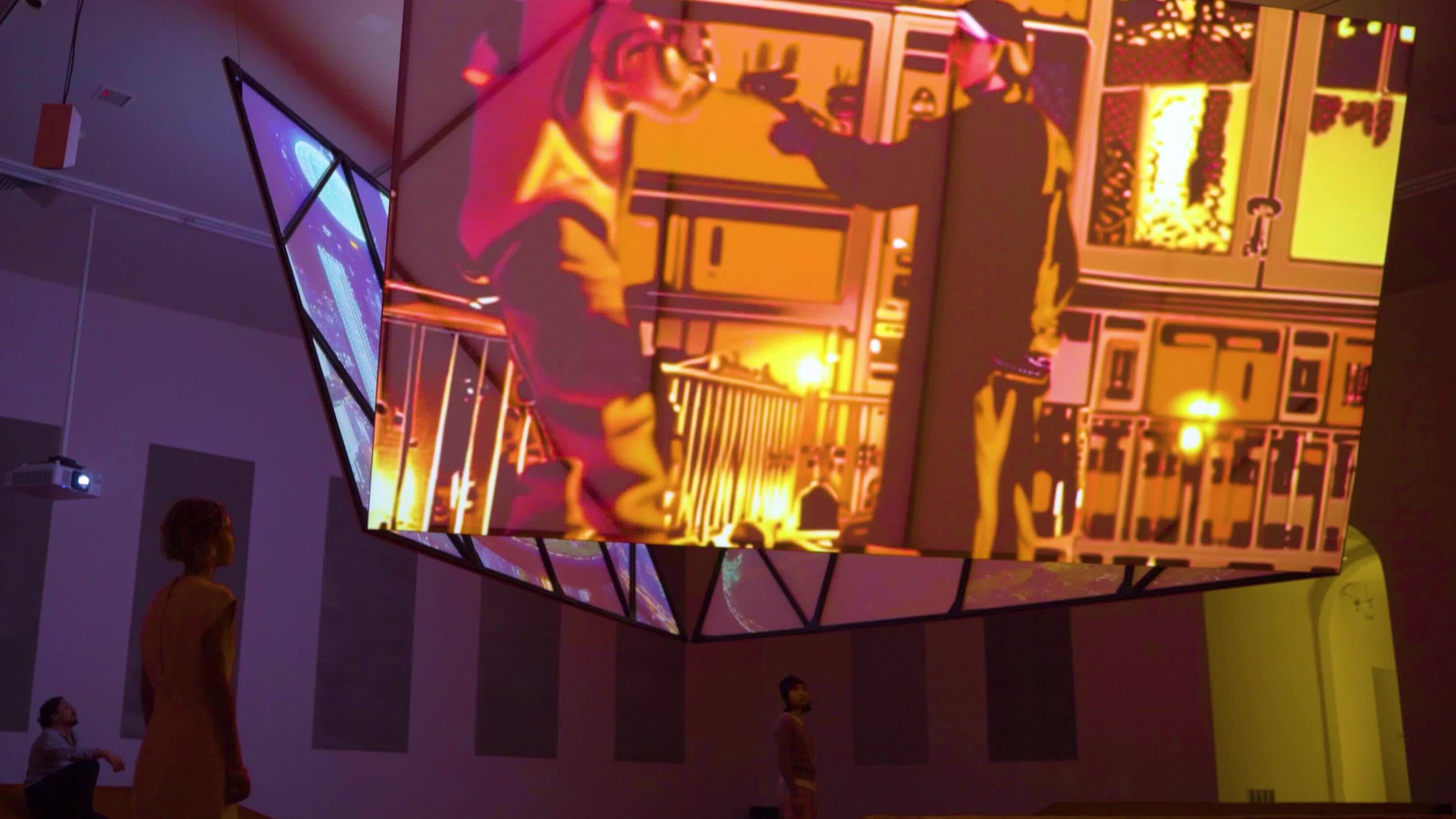
Korean artist Ayoung Kim captures the essence of the modern human condition through the lens of 21st-century urban delivery workers. Her art installations, video works, and performances at MoMA PS1 and the Performa Biennial immerse viewers in a world where gig economy labor is simulated like a video game, controlled by apps and algorithms.
Kim's 'Delivery Dancer' series, inspired by Seoul's delivery drivers during the pandemic, utilizes video game engines, AI, and live footage to create a high-impact sensory experience. These works delve into themes of productivity versus emotional connection and the disorienting effects of algorithm-driven time and space, echoing classic literary critiques of bureaucracy and modern techno-dystopias.
Through narrative, motion capture, and sculptural elements, Kim connects physical bodies with virtual ones, examining how digital technology reshapes our perception of work and freedom. Her art channels contemporary anxieties, offering relatable characters like Ernst Mo and En Storm who navigate a reality where fiction often makes more sense.