Home / Arts and Entertainment / Avatar 3: Faster, Tighter, But Less New?
Avatar 3: Faster, Tighter, But Less New?
16 Dec
Summary
- Avatar 3's "Fire and Ash" is a tighter, bolder film with focused story.
- Director James Cameron emphasizes no AI was used in production.
- The sequel explores Jake Sully's anger and Spider's pivotal role.
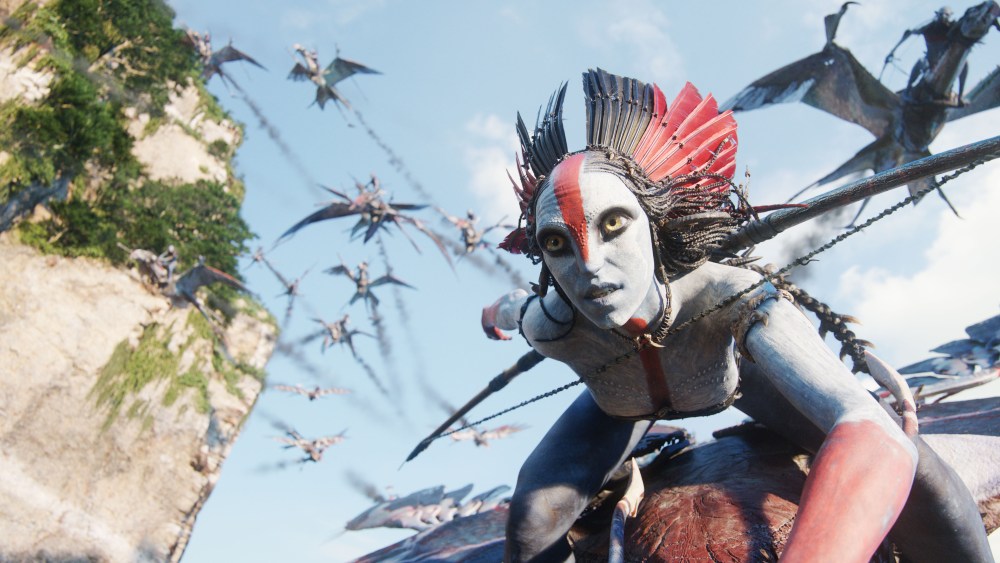
James Cameron's latest "Avatar: Fire and Ash" offers a more focused and dramatically compelling narrative, though its visual innovations are less groundbreaking than previous installments. The film skillfully blends human and synthetic performances, a direction Cameron champions despite his public disapproval of AI, emphasizing that actors breathed life into the characters. The action sequences remain a highlight, masterfully staged with a combination of vastness and intricate detail.
The story picks up a year after "The Way of Water," with Jake Sully consumed by grief and anger over his son's death, seeking revenge against human invaders. This internal conflict sets the stage for the central tension involving Spider, Jake and Neytiri's adopted human son, whose unique connection to Pandora becomes a critical element. Neytiri's distrust of Spider further fuels the dramatic stakes.
While "Fire and Ash" maintains Cameron's signature storytelling verve, its narrative arc is beginning to feel familiar, raising questions about long-term audience investment. The introduction of the ash-skinned Mangkwan clan and their leader Varang adds new dimensions, though the plot treads a line between epic and camp. Despite these observations, the "Avatar" series continues to push cinematic boundaries, yet to reach its narrative endgame.