Home / Arts and Entertainment / Anxiety Cinema: Why We Love Stressful Movies
Anxiety Cinema: Why We Love Stressful Movies
13 Mar
Summary
- Modern films aim to evoke unrest rather than fear or joy.
- Anxious audiences seek catharsis through simulated panic.
- Filmmakers like Safdie brothers pioneer 'anxiety cinema'.
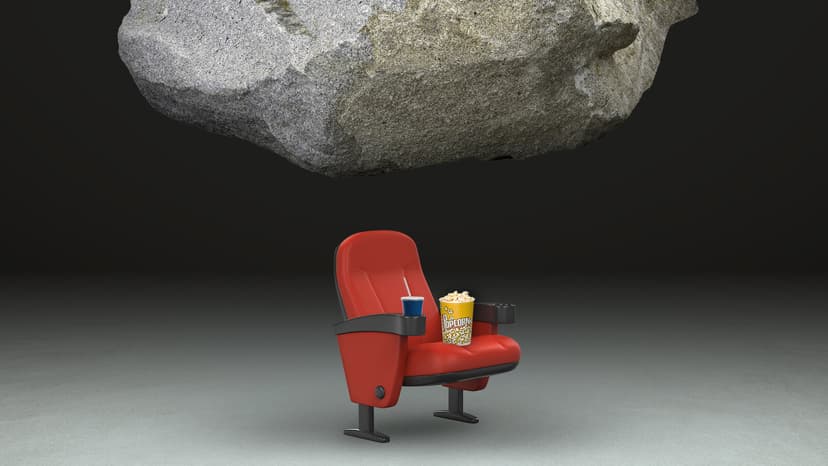
Contemporary cinema is witnessing a surge in 'anxiety cinema,' a genre focused on evoking a sense of unrest rather than traditional emotions like fear or joy. These films immerse viewers in hostile, claustrophobic worlds where characters grapple with terrible choices and their consequences. Distressing scores and jarring cinematography amplify the feeling of impending doom for both characters and the audience.
Many viewers, particularly those experiencing anxiety, find a peculiar comfort in these films. This phenomenon mirrors sad individuals listening to sad songs; anxious people are drawn to anxious narratives. The current societal climate, characterized by constant threats and crises, appears to be driving this demand for cinematic stress as entertainment.
These films offer a form of blunt recognition, metabolizing the pervasive sense of destabilization. They often confront taboo subjects and amplify absurdities to a degree that allows audiences to find humor in the nightmare. This simulated panic in a shared space provides a form of catharsis, a perceived more appealing alternative to experiencing a real panic attack alone.
Filmmakers like the Safdie brothers have become synonymous with anxiety cinema. Their 2019 film 'Uncut Gems,' about a gambling addict, is a foundational work, praised for its intense, stressful nature. This style has influenced subsequent films, including 'Shiva Baby' and 'If I Had Legs I'd Kick You,' which have been described as variations on the 'anxiety cinema' theme, resonating with contemporary audiences.