Home / Arts and Entertainment / Ancient Italian Tomb Reveals Greek Goddess Worship
Ancient Italian Tomb Reveals Greek Goddess Worship
12 Nov
Summary
- A priestess's tomb worshipping Greek goddess Demeter was found.
- The tomb dates between the 4th and 3rd centuries BCE.
- Decorations blend Greek styles with local Messapian inscriptions.
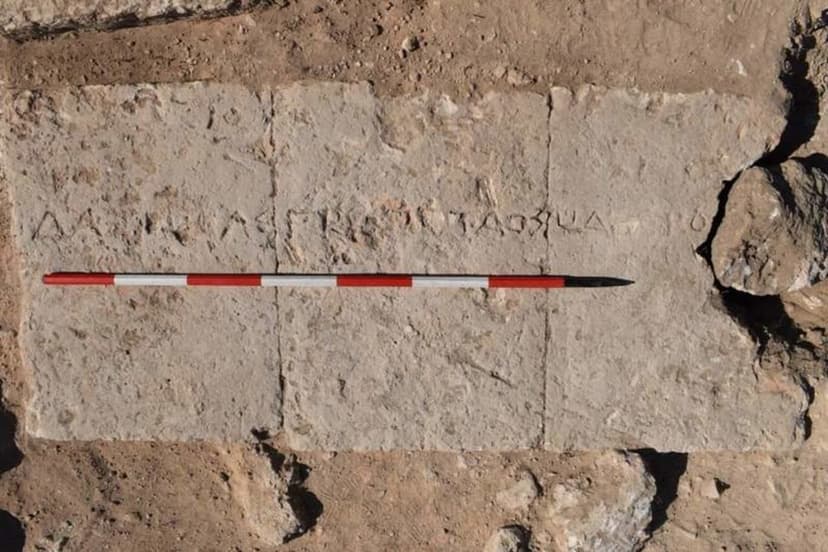
Archaeologists have uncovered a tomb in ancient Manduria, Italy, belonging to a priestess who worshipped the ancient Greek goddess Demeter. This significant find, dated between the 4th and 3rd centuries BCE, challenges the long-held view of intense hostility between the Greek colonists and the indigenous Iapygian tribes of southeastern Italy.
The tomb, designated Tomb 17, was discovered among 23 other graves from the same period. It is adorned with "meandros" decorations in the classic Greek style and bears two inscriptions in the local Messapian language. Officials noted that the burial may have belonged to a female figure holding important priestly functions related to the cult of Demeter, evidenced by a Greek thymiaterion indicating ritual incense burning.
This discovery provides new perspectives on the funeral and religious practices of ancient Manduria, a city formerly home to the Messapian tribe. Further conservation and enhancement efforts are planned, with hopes to eventually exhibit the tomb's finds at the Archaeological Museum of Manduria, underscoring the region's rich archaeological heritage.


