Home / Arts and Entertainment / Mendieta: Earth, Blood, and Fire Art
Mendieta: Earth, Blood, and Fire Art
13 Jul
Summary
- Artist used blood, feathers, and gunpowder to create art.
- Sculptures and imprints blended human form with nature.
- Exhibition bypasses controversial death, focuses on life.
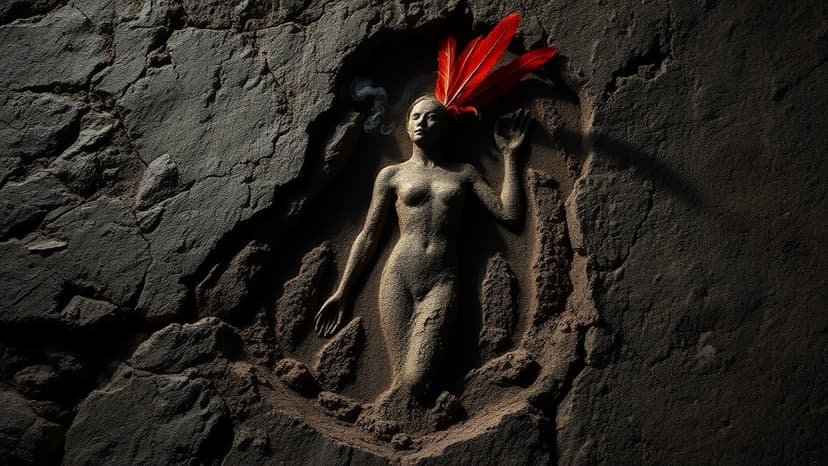
Ana Mendieta's exhibition at Tate Modern features her groundbreaking use of natural materials like blood, feathers, and gunpowder. Born in Cuba in 1948 and later emigrating to the US, Mendieta felt like an outsider and explored themes of belonging and origin.
Her art transformed everyday substances into profound statements. Mendieta created ephemeral human figures with gunpowder, which, when ignited, left scorched shadows reminiscent of ancient victims. She also used mud and blood to blend her own form with natural elements, exploring themes of decay and transformation.
In 1980, Mendieta returned to Cuba and created 'Rupestrian Sculptures,' limestone carvings resembling ancient fertility goddesses. These works, photographed in black and white, evoked a lost civilization. Similar to artists like Robert Smithson, she sought a primeval connection, but Mendieta's approach was more personal and evocative.
She developed a unique mythology, drawing divine figures and creating imprints in nature, such as her handprint burned into the earth. Mendieta died in 1985 at age 36 under controversial circumstances. This exhibition honors her artistic vision, emphasizing her art's lasting vitality.


