Home / Arts and Entertainment / All in the Family: TV's Controversial Comedy
All in the Family: TV's Controversial Comedy
24 Nov
Summary
- The show sparked national debate on racism and bigotry.
- Critics debated if the comedy made bigotry too acceptable.
- All in the Family pioneered television's capacity for discourse.
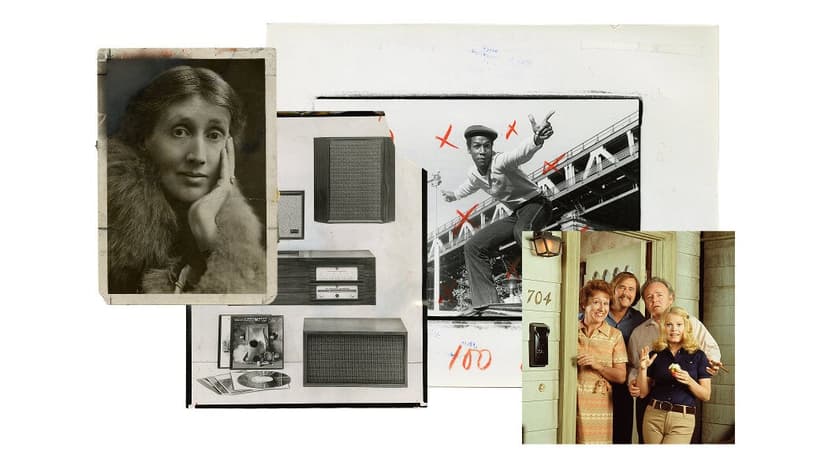
In 1971, "All in the Family" shattered television norms, bringing the controversial figure of Archie Bunker to prime-time prominence. This sitcom, centered on a prejudiced working-class patriarch from Queens, New York, immediately generated significant cultural debate. While some critics questioned if the show's humor trivialized racism, others, like Jack Gould, saw its potential as a tool to combat bigotry.
The series' bold approach prompted widespread discussion, with renowned author Laura Z. Hobson arguing that the comedy made Archie too "inoffensive." Norman Lear, the show's creator, directly engaged with these critiques in pieces published in The Times, defending his vision. "All in the Family" not only dominated ratings but also fundamentally changed television's role in cultural conversation.
The show's legacy endures, influencing subsequent television that explored complex characters and societal issues. The arguments it initiated continue to resonate, seen in the cultural impact of antihero portrayals on modern television and even in politics, marking "All in the Family" as a pivotal moment in media history.


