Home / Arts and Entertainment / Ai Weiwei's Turandot: Art as a Tool for Change
Ai Weiwei's Turandot: Art as a Tool for Change
7 Dec, 2025
Summary
- Ai Weiwei's first opera, Turandot, updates the classic with modern themes.
- The production features contemporary elements like tactical gear and surveillance.
- Weiwei uses art as a tool to convey messages about humanity and peace.
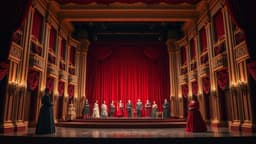
Artist Ai Weiwei recently helmed his inaugural opera production, a modern rendition of Puccini's 'Turandot,' staged at the Rome Opera House. This ambitious project emerged during a period of global recovery and ongoing international conflict, with Weiwei intending to use art as a profound tool for communication.
Derevianko, director of the accompanying documentary, emphasized Weiwei's objective to explore the meaning and purpose of art in today's world. The updated opera incorporates striking contemporary visuals, including modern police tactical gear and surveillance technology, alongside symbolic costumes, each element carrying significant meaning for the narrative and humanity's struggles.
Weiwei described the production as an "opera for peace," aiming to provoke thought and encourage dialogue about critical global issues. This artistic endeavor reflects Weiwei's own history as an activist, transforming a classic narrative into a relevant commentary on current human experiences and aspirations for a more peaceful world.