

Home / Arts and Entertainment / AHS Roanoke: Identity, Media, and Horror
AHS Roanoke: Identity, Media, and Horror
19 Apr
Summary
- Season 6 explored the lost Roanoke colony of 1585.
- It examined how media shapes stories and viewer perception.
- The season delved deeply into themes of identity.
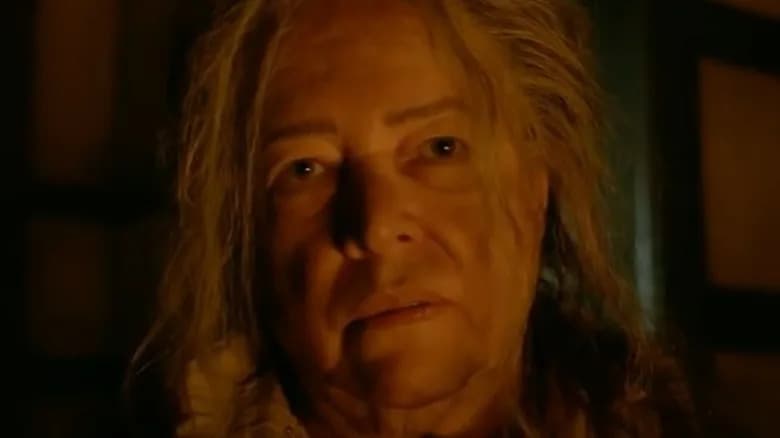
Season 6 of 'American Horror Story,' subtitled 'Roanoke,' delved into the mysteries of the lost 16th-century English colony that vanished from North Carolina in 1585. This particular season distinguished itself by examining the profound impact of media on storytelling and how audience perception can, in turn, alter reality itself.
The season's narrative structure was innovative, initially presented through dramatic reenactments and the testimonies of Shelby and Matt Miller in a documentary called 'My Roanoke Nightmare.' This format later shifted, bringing the Millers and their actor counterparts together for a reunion at the haunted Roanoke house, leading into the events of 'Return to Roanoke: Three Days in Hell.'
More than other 'AHS' installments, 'Roanoke' wrestled with the complexities of identity. It refracted the characters' experiences through the multifaceted prisms of acting, fan culture, traditional media, court television, CCTV footage, and the pervasive influence of YouTube. This labyrinthine approach served as an exploration of the Observer Effect, suggesting that controlling narratives is intrinsically linked to understanding one's projected identity.
