Home / Arts and Entertainment / Adaptation Backlash: Creators Push Back on Fan Outrage
Adaptation Backlash: Creators Push Back on Fan Outrage
21 Aug
Summary
- Creators defend using creative license in adaptations.
- Fandoms often resist changes to beloved existing IP.
- Branded entertainment still dominates, despite calls for originality.
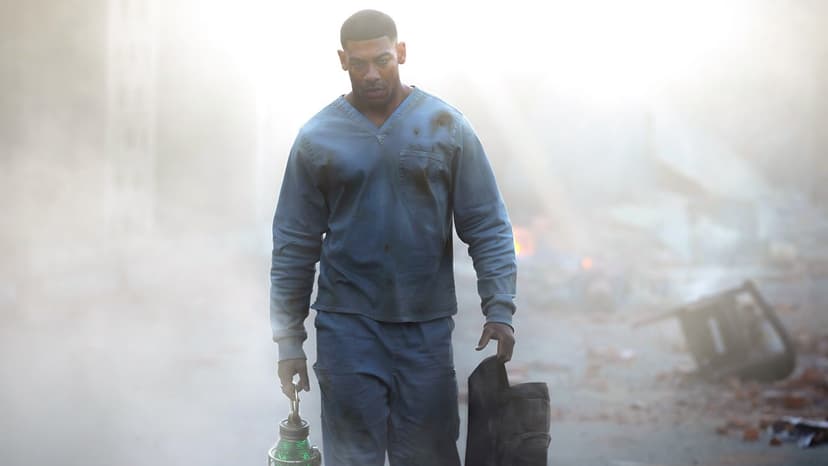
The current discourse surrounding adaptations and source material has intensified, with creators defending their use of creative license. Projects such as "Lanterns," a modern take on Green Lantern, and Christopher Nolan's "The Odyssey" have drawn criticism for altering established narratives and characters. Resident Evil director Zach Cregger also faced backlash for his unique approach to the popular video game franchise.
Emmys-winning co-creator Damon Lindelof acknowledges the inherent hubris in adapting existing intellectual property (IP), stating that adaptation fundamentally means change and evolution. He argues that fans often develop a proprietary sense of ownership over the content they consume, leading to resistance. Lindelof believes creators have a responsibility to take risks, as audiences often claim to want new experiences but continue to support familiar branded entertainment.
Lindelof and fellow "Lanterns" co-creator Tom King discuss the paradox of audiences simultaneously complaining about repetitive stories and craving novelty. King emphasizes that quality is paramount, with successful adaptations like "Clueless" standing on their own while honoring the original. Both creators assert that their primary goal is to create something artistically worthwhile and emotionally resonant, even if it means working within existing IP frameworks, which they view as the cost of doing business.


