Home / Arts and Entertainment / Beyond Language: TV Shaped British Asian Lives
Beyond Language: TV Shaped British Asian Lives
27 Jul
Summary
- Early BBC broadcasts offered practical advice and cultural connection to migrants.
- South Asian programming provided vital links to home and language for new arrivals.
- Shows like 'Goodness Gracious Me' fostered a sense of self and belonging for British Asians.
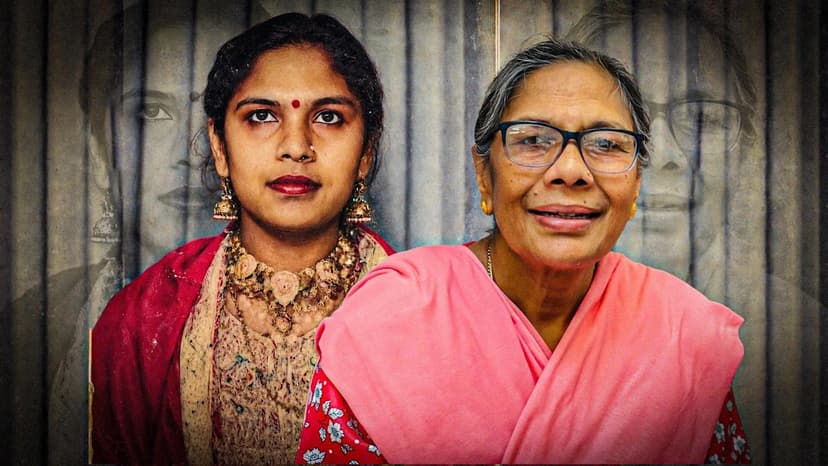
For six decades, BBC broadcasting has played a pivotal role in the lives of South Asian migrants and their families in the UK. Initial programs like 'Apna Hi Ghar Samajhiye' offered crucial language lessons and practical advice, easing the transition for newcomers arriving in the 1960s and 70s. These broadcasts provided a vital link to their heritage, offering familiar music and a sense of community that combatted the loneliness of a new country.
As generations evolved, the content transformed, reflecting a growing British Asian identity. Shows such as 'Nai Zindagi Naya Jeevan' and later 'Network East' and 'Goodness Gracious Me' provided not just entertainment but also a crucial sense of representation. These programs resonated deeply, showcasing British Desi humor and culture, allowing younger generations to see themselves reflected on national television.
The impact of this dedicated broadcasting continues today, with platforms like BBC Asian Network fostering connection through music and interviews. From early migrants seeking comfort to today's youth connecting via social media, the legacy of South Asian programming highlights its enduring power in shaping identity, fostering belonging, and ensuring the South Asian experience is seen and heard.


