Home / Weather / Invisible Danger: Black Ice on Your Commute
Invisible Danger: Black Ice on Your Commute
23 Jan
Summary
- Black ice forms a nearly invisible layer, making roads dangerously slick.
- Freezing rain instantly turns liquid rain into ice on impact.
- Winter storm watches warn of potential severe weather, warnings confirm it.
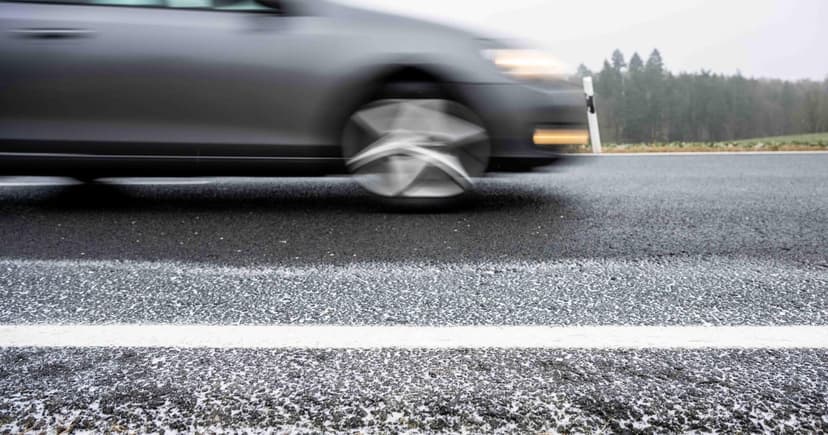
As temperatures drop, winter weather hazards like black ice and freezing rain can transform commutes into perilous situations. Black ice, a thin and nearly invisible layer of frozen moisture on surfaces, poses a significant risk due to its tendency to blend with pavement, causing sudden loss of vehicle traction. This dangerous condition often forms at night or in the early morning, particularly on bridges and overpasses that cool faster.
Freezing rain occurs when liquid rain encounters subfreezing temperatures just above the ground, freezing instantly upon contact with roads and other surfaces, creating extremely slick conditions. This differs from sleet, where raindrops freeze while still in the air due to a deeper cold layer before reaching the ground. Understanding these phenomena is vital for safety.