Home / Weather / Bridges Freeze Faster Than Roads: The Icy Truth
Bridges Freeze Faster Than Roads: The Icy Truth
30 Nov
Summary
- Bridges are more exposed to cold air, causing them to freeze faster than roads.
- Roads can stay warmer due to heat from the ground, unlike bridges.
- Drivers should exercise caution as bridge surfaces can unexpectedly become slick.
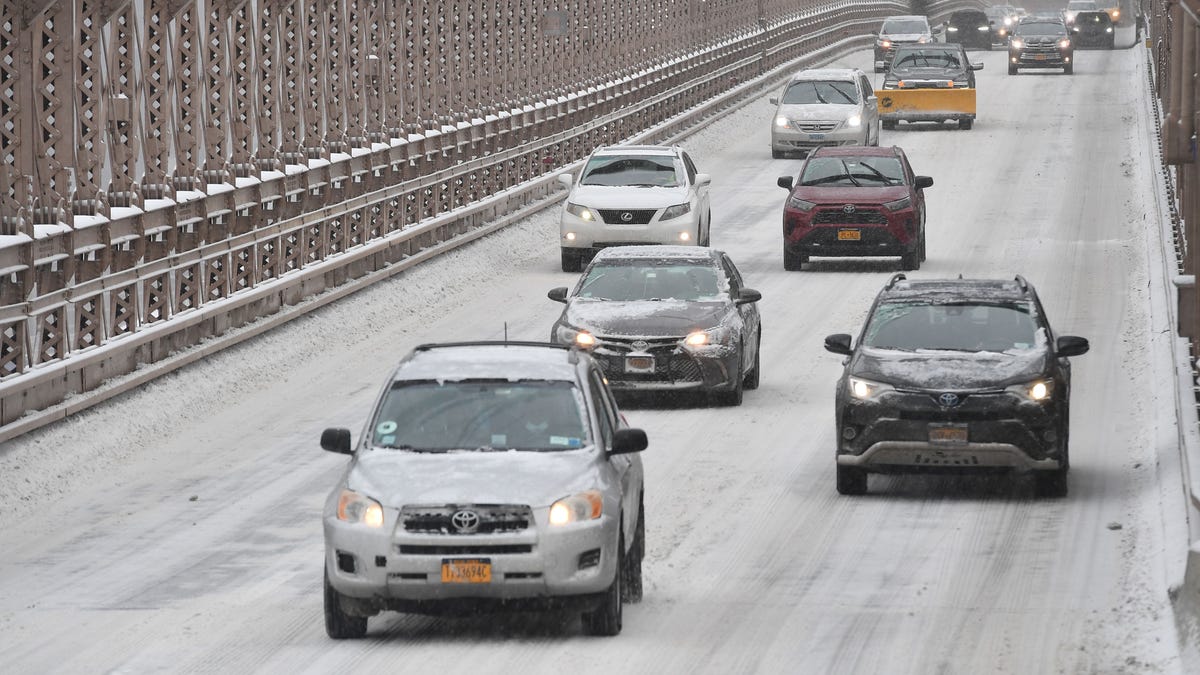
As winter driving season approaches, understanding why bridges ice over before roads is critical. Bridges are exposed to cold air from all sides, allowing them to cool and freeze much faster than the surrounding road surfaces, which benefit from ground insulation. This temperature difference can create dangerous conditions where drivers encounter unexpected ice on bridges, even when the road ahead appears clear.
This phenomenon occurs because roadways can retain warmth from the earth below, even during cold nights. Bridges, however, do not have this advantage and lose heat more rapidly to the frigid air. This makes them particularly susceptible to developing ice, especially in the early parts of winter when the ground retains some of its residual warmth.
Highway signs like "Bridge Ices Before Road" serve as vital warnings to drivers. They prompt drivers to slow down and be prepared for a sudden change in road surface conditions. This simple fact of physics can prevent accidents by informing motorists about the hidden dangers of icy bridges.