Home / Weather / Record Low Snowfall Threatens Western US
Record Low Snowfall Threatens Western US
5 Jan
Summary
- Western US faces snow drought with lowest snow cover since 2001.
- Warm storms cause rain instead of snow, lowering water availability.
- Reduced snowpack threatens water, agriculture, and tourism economies.
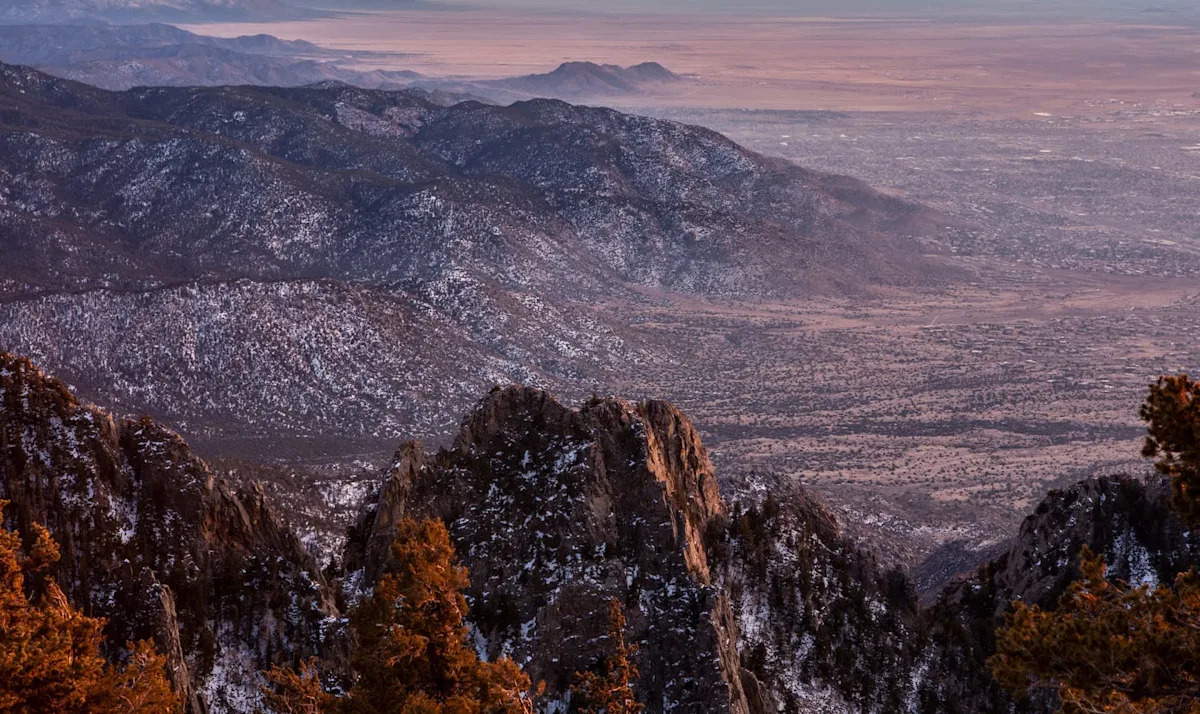
As of early January 2026, the western United States is grappling with an unprecedented snow drought. Snow cover has plummeted to its lowest levels since satellite records commenced in 2001, with just over 90,000 square miles covered by snow on December 7th. This dramatic reduction is occurring despite average precipitation, as unseasonably warm temperatures are causing storms to deliver rain instead of snow.
This phenomenon poses significant risks to the region's water security, agriculture, and economy. Snowpack traditionally serves as a vital reservoir, gradually releasing water into rivers and reservoirs throughout spring and summer. When precipitation falls as rain, it leads to immediate flood risks and depletes future water availability, impacting drinking water, crop irrigation, and hydropower.
While NOAA acknowledges that early winter conditions can change rapidly, long-term strategies are crucial. These include reducing heat-trapping pollution, improving water storage infrastructure, and building community resilience. Individual actions like conserving water and adopting clean energy also play a role in mitigating the effects of intensifying weather patterns.