Home / Weather / Stay Warm & Safe: Your Winter Survival Guide
Stay Warm & Safe: Your Winter Survival Guide
3 Dec
Summary
- Babies need layers but minimal padding in car seats.
- Good hygiene and ventilation prevent winter infections.
- Pets and outdoor animals need extra bedding and shelter.
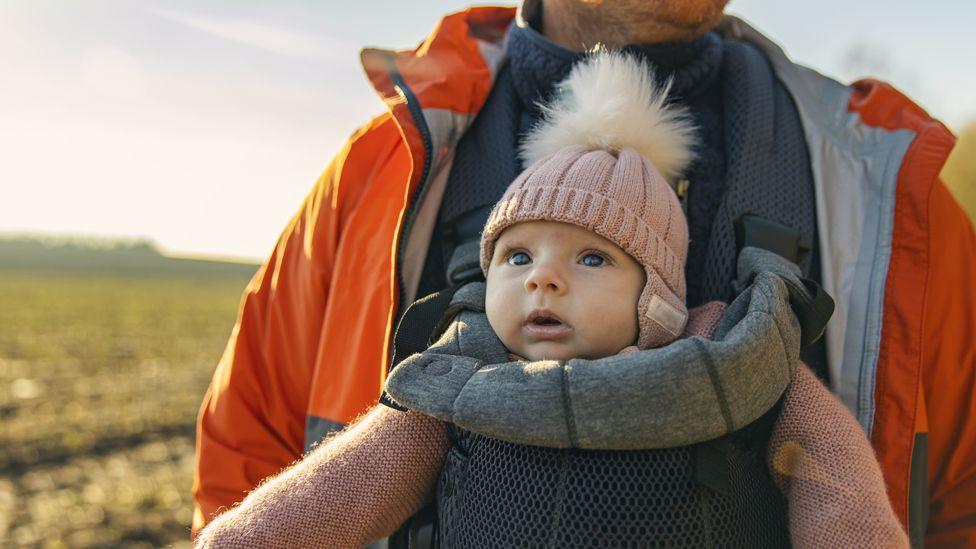
With the UK experiencing cold snaps and snow, practical advice is circulating to help residents navigate winter safely. For infants, dressing in multiple layers, including hats and mittens, is recommended when outdoors, while car seat safety emphasizes minimal padding. Indoor temperatures for babies should be between 16-20C to prevent overheating, a factor linked to SIDS.
Preventing the spread of winter infections like flu and norovirus is crucial, especially as people spend more time indoors. Simple measures such as opening windows for ventilation and practicing good hand hygiene, including using and binning tissues promptly, can significantly reduce transmission. Eligible individuals can receive Covid winter booster jabs until January 2026, with free flu vaccines also available for some groups.
Pet safety is also a concern, with recommendations for providing extra blankets and sheltered resting spots for dogs and cats. Indoor playtime is encouraged to keep pets active, and outdoor animals like rabbits and guinea pigs may need to be moved to more sheltered environments. Dog owners are advised to use appropriate winter clothing for vulnerable pets and to be cautious during walks in snowy conditions, ensuring dogs are dried and checked for irritants afterward.