Home / Weather / Lake Erie's Frozen Fury: Ice Mountains and 80-Mile Cracks
Lake Erie's Frozen Fury: Ice Mountains and 80-Mile Cracks
17 Feb
Summary
- Lake Erie is nearly completely frozen, featuring 25-foot ice mountains.
- High winds created an 80-mile crack and tsunami-like ice waves.
- This event defies a 50-year warming trend of declining ice cover.

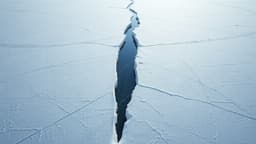
This winter, Lake Erie has presented a stunningly frozen spectacle, with vast areas covered in ice and shores lined by imposing mountains of ice up to 25 feet tall. Intense winds have significantly contributed to this phenomenon, causing an 80-mile crack across the lake's surface and driving ice waves ashore.
While the current ice cover is well above average, it is not unprecedented. This extreme freeze occurs despite a long-term trend of warming temperatures, which has led to a 5% decline in Great Lakes ice cover each decade for the past 50 years. Previously, Lake Erie experienced increasing periods of low or no ice, raising concerns about storm surges and fluctuating water levels.
Officials are adapting to these climate-driven changes. Projects are underway to build more natural shorelines, moving beyond traditional rock and concrete barriers. These nature-based designs aim to better manage storm energy and mitigate the impacts of severe weather events, which are becoming more frequent due to climate change.
Storm surges and seiches, which are standing waves within the lake, pose significant threats. Historically, these events have caused severe flooding and dramatic water level changes. For instance, a 2022 event saw water levels rise eight feet in Buffalo while dropping eight feet in Ohio, impacting critical infrastructure like nuclear power stations.
These extreme weather events offer unique research opportunities. Exposed lake beds have revealed hidden native mussel populations and provided insights into their survival strategies against invasive species. The dynamic nature of Lake Erie, including its shallowness, makes it particularly susceptible to surges and seiches, impacting everything from local ecosystems to historical shipwrecks.