Home / Weather / El Niño Quiets Atlantic: Florida's Storm Odds
El Niño Quiets Atlantic: Florida's Storm Odds
15 Sep
Summary
- Atlantic hurricane season is unusually quiet due to El Niño's influence.
- Florida remains at highest risk for storm impacts this year.
- Experts urge continued vigilance despite below-normal season predictions.
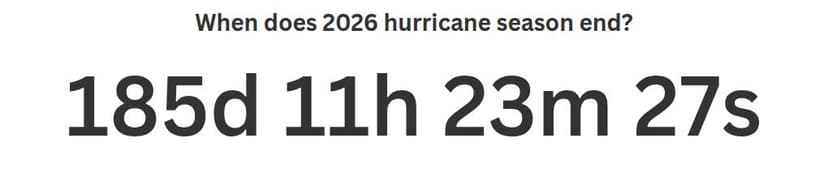
As of September 15, 2026, the Atlantic hurricane season has seen significantly less activity than average, with only five tropical storms and zero hurricanes recorded. This unusual quiet is largely attributed to the El Niño climate pattern, which generates wind shear in the Atlantic, suppressing storm formation. Historically, nine storms and four hurricanes are typical by this date.
Despite the slow start, the season extends until November 30. Experts from AccuWeather predict a potential increase in storm activity, forecasting an additional three to six named storms and two to four hurricanes for the remainder of the season. Nicholas Arman from AccuWeather noted that while the northeastern Gulf and the Carolinas are at increased risk, any storms developing are not expected to directly impact Florida.
However, Colorado State University's updated forecast places Florida at the highest risk among U.S. states for storm impacts in 2026. They estimate a 44% probability of a named storm, a 22% chance of a hurricane, and a 10% likelihood of a major hurricane making landfall in Florida. Experts emphasize that even with a below-normal season predicted, vigilance and preparedness remain crucial for residents.
Hurricane season is conventionally divided into three phases. The current phase, characterized by storms forming from old fronts, has produced the five storms observed so far. The next phase, typically seeing tropical storms develop in the tropical Atlantic from African disturbances, is expected to be minimal due to El Niño. The final phase, when disturbances can trigger development in the Gulf or off the Southeast coast, is yet to come and is considered the most likely period for further activity, potentially threatening Florida.


