Home / Weather / Record El Niño Threatens Global Weather Patterns
Record El Niño Threatens Global Weather Patterns
8 Oct
Summary
- Ocean temperatures are already significantly warmer than average.
- This El Niño could be stronger than previous 'Godzilla' events.
- Climate change may be altering El Niño's behavior.
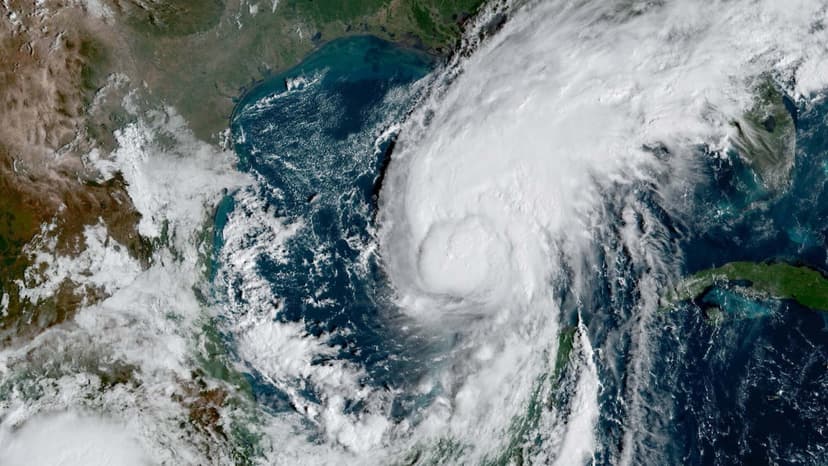
The current El Niño event is exhibiting unprecedented ocean warmth, with temperatures on Christmas Island already two degrees Celsius above average, causing active coral bleaching months before the typical winter peak. Scientists are observing an "uncharted territory" phenomenon, with some referring to this as a "super" or "Godzilla El Niño."
This powerful El Niño is influencing weather patterns globally, contributing to record-breaking summer heat in the United States and increasing Pacific hurricane activity, while suppressing Atlantic storms. Forecast models suggest this El Niño could become a record-breaker, prompting concerns about its most intense phase and its impact on daily weather.
El Niño, a natural weather pattern occurring every few years, typically strengthens through fall and peaks in winter, influencing global jet streams. While seasonal forecasts indicate probabilities of wetter or drier conditions, they do not predict individual storm events. This year's El Niño's intensity and potential alterations due to climate change are raising alarms among researchers.
California and the southern U.S. are expected to experience increased rainfall, though past events show El Niño's predictions aren't guaranteed. The Southeast and Eastern Seaboard also have a high probability of above-average winter rainfall. Conversely, the Northeast may see warmer winters, with potential snowstorms turning into rain or ice.
Scientists are grappling with how climate change might be exacerbating El Niño events, causing temperatures to spike and not return to previous baselines. This acceleration concerns researchers, who advise planning for worst-case scenarios. While some emphasize understanding and preparing for El Niño's effects, dynamic physical models suggest unprecedented and unanticipated events are likely.


