Home / Weather / Delhi Sees Mist, Not Smog, After Coldest March Day
Delhi Sees Mist, Not Smog, After Coldest March Day
21 Mar
Summary
- Delhi experienced its coldest March day in six years.
- Hazy conditions are due to increased atmospheric moisture from a western disturbance.
- The phenomenon is classified as weather-amplified mist, not smog.

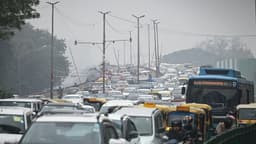
Delhi and surrounding areas woke to a hazy Saturday morning, a day after recording its coldest March day in six years and its cleanest air in five months. This unseasonal weather is attributed to a shift caused by a western disturbance influencing the region.
The disturbance has increased atmospheric moisture, raising humidity levels unusually for March. Combined with calm easterly winds and stable air layers, this moisture condensed into ground-level fog and mist. The India Meteorological Department has identified this as weather-amplified mist, distinct from smog.
The increased moisture also caused PM2.5 particles to swell by up to 60%, contributing to the haze. Additionally, dust transported from western regions mixed with local emissions under stable atmospheric conditions. This hazy mist lingered until the afternoon, similar to an event witnessed earlier in March.