Home / Weather / AI Revolutionizes Typhoon Forecasting Accuracy
AI Revolutionizes Typhoon Forecasting Accuracy
14 Oct
Summary
- AI models excel at predicting typhoon steering factors like subtropical highs.
- Hybrid AI and traditional models offer improved typhoon track and intensity forecasts.
- Accurate forecasts enable timely deployment of resources during disasters.
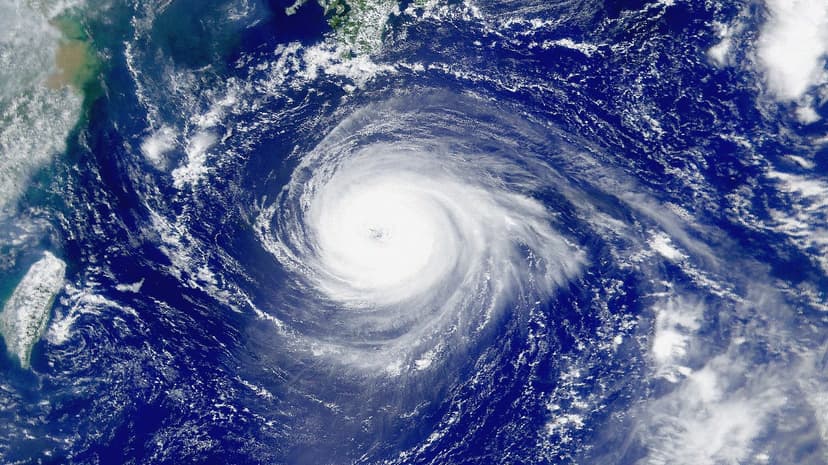
Accurate weather forecasting is paramount for disaster prevention, public safety, and livelihoods, according to meteorological experts. Recent years have seen increasingly unusual typhoons, making forecasting more challenging. However, rapid advancements in artificial intelligence (AI) weather models offer significant improvements.
AI models demonstrate particular strength in predicting complex steering factors like the subtropical high. By integrating AI capabilities with traditional numerical weather prediction, hybrid models have been developed that excel in both track and intensity forecasts. One such model accurately predicted Typhoon Bavi 108 hours ahead, underscoring the value of precise forecasts for efficient disaster response.
China's meteorological services utilize a comprehensive data network, including satellites, radar, and ground stations, to gather real-time atmospheric data. This information feeds into sophisticated mathematical models run on high-performance computers. Forecasters then employ a "joint diagnosis" approach, combining these analyses with their expertise to predict weather evolution.
Meteorological services operate 24/7, with continuous monitoring and forecasting crucial during hazardous weather events like typhoons and rainstorms. Timely warnings allow the public ample time to respond calmly. Localized meteorological efforts, such as those in Daishan county and Haibei Tibetan autonomous prefecture, focus on specific community needs, from supporting fishing livelihoods to protecting herders' flocks and high-altitude ecosystems.
In regions like Zhangzhou, Fujian province, which face severe weather, forecasts go beyond simple predictions. They provide detailed information on when and where risks are highest, enabling targeted government actions like designating precaution areas, prepositioning rescue forces, and organizing evacuations. This layered approach ensures a more robust response to extreme weather events.


