Home / War and Conflict / WWII's Secret Aces: Unsung Heroes of the Skies
WWII's Secret Aces: Unsung Heroes of the Skies
5 Dec, 2025
Summary
- Lesser-known nations built effective WWII fighters out of necessity.
- Some underdog aircraft surprised with combat effectiveness.
- These fighters served in diverse roles from interceptors to ground support.
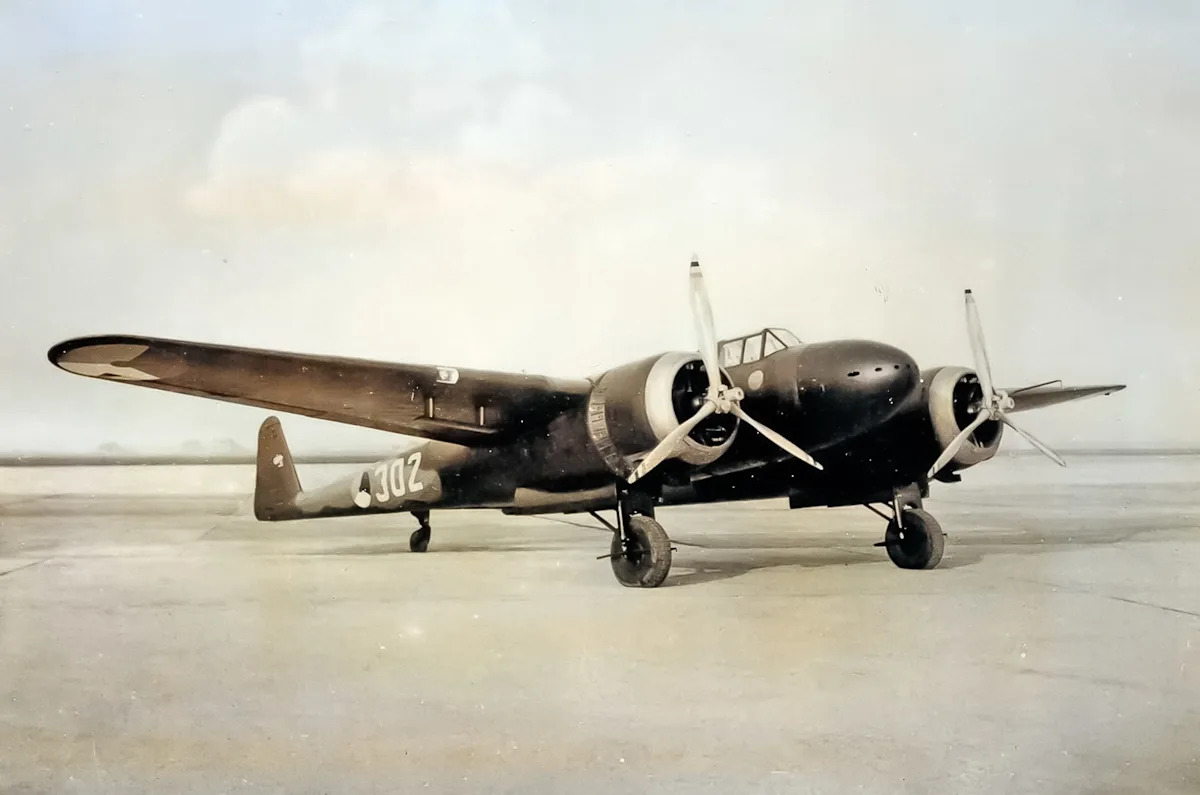
While the US and Germany dominated WWII fighter production, numerous smaller nations, facing arms embargoes and necessity, forged their own aerial defenses. These often overlooked aircraft, born from limited resources, became vital in their respective theaters of war, proving that ingenuity could rival industrial might.
From Australia's CAC Boomerang, adapted for close support in the Pacific, to Czechoslovakia's versatile Avia B.534 biplane, which scored victories even late in the war, these machines demonstrated remarkable effectiveness. Finland's wooden Myrsky and the Netherlands' radical Fokker G.1 'Jachtkruiser' highlight the diverse approaches taken to air power.
Other nations like Poland, Romania, Sweden, and Yugoslavia also contributed unique designs. These included the PZL P.24, IAR-80, FFVS J 22, and Rogožarski IK-3, some of which were advanced enough to challenge top-tier Axis and Allied aircraft, showcasing a global landscape of aerial innovation during the conflict.