Home / War and Conflict / Soldier Fought for 30 Years After WWII
Soldier Fought for 30 Years After WWII
9 Jul
Summary
- Lieutenant Hiroo Onoda surrendered in 1974.
- He believed the war was still ongoing.
- His commanding officer had to relieve him.
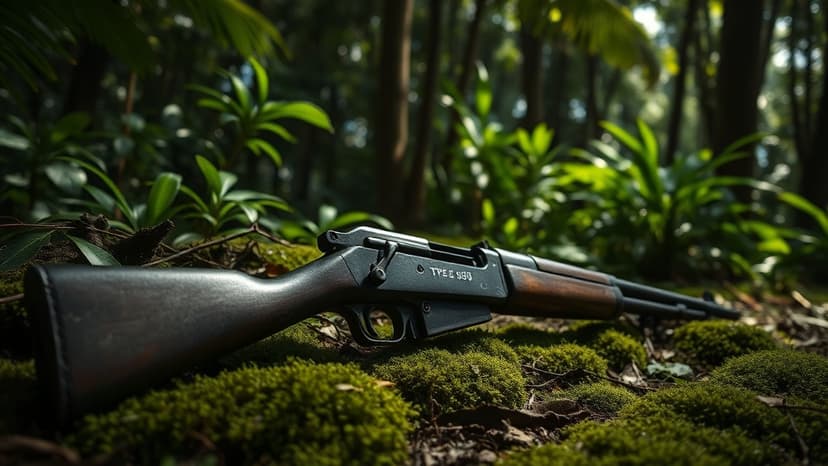
In March 1974, Lieutenant Hiroo Onoda emerged from the jungle on Lubang Island, ending a personal war that had lasted nearly thirty years. Sent to the Philippines late in World War II, Onoda was ordered to resist under any circumstances and never surrender.
Despite Japan's formal surrender in 1945 and subsequent propaganda leaflets, Onoda and his small group dismissed them as enemy deceptions. He persisted in his guerrilla activities, surviving off the land and local resources.
His long resistance concluded when adventurer Norio Suzuki encountered him in February 1974. Still convinced the war persisted, Onoda agreed to surrender only when his commanding officer, Yoshimi Taniguchi, formally released him from his orders.
Taniguchi eventually traveled to Lubang and persuaded Onoda to surrender, bringing closure to one of modern history's longest individual continuations of wartime combat. Onoda's surrender was met with public attention, and he was pardoned by the Philippine government, though this pardon was controversial due to the harm caused to local residents during his prolonged campaign.


