Home / War and Conflict / Enemy POWs Built Friendships in Iowa
Enemy POWs Built Friendships in Iowa
7 Feb
Summary
- German POWs labored on Iowa farms, blurring lines between enemy and neighbor.
- Initial fear in Algona transformed into trust and community interaction.
- Post-war, Iowa families maintained lifelong bonds with former POWs.
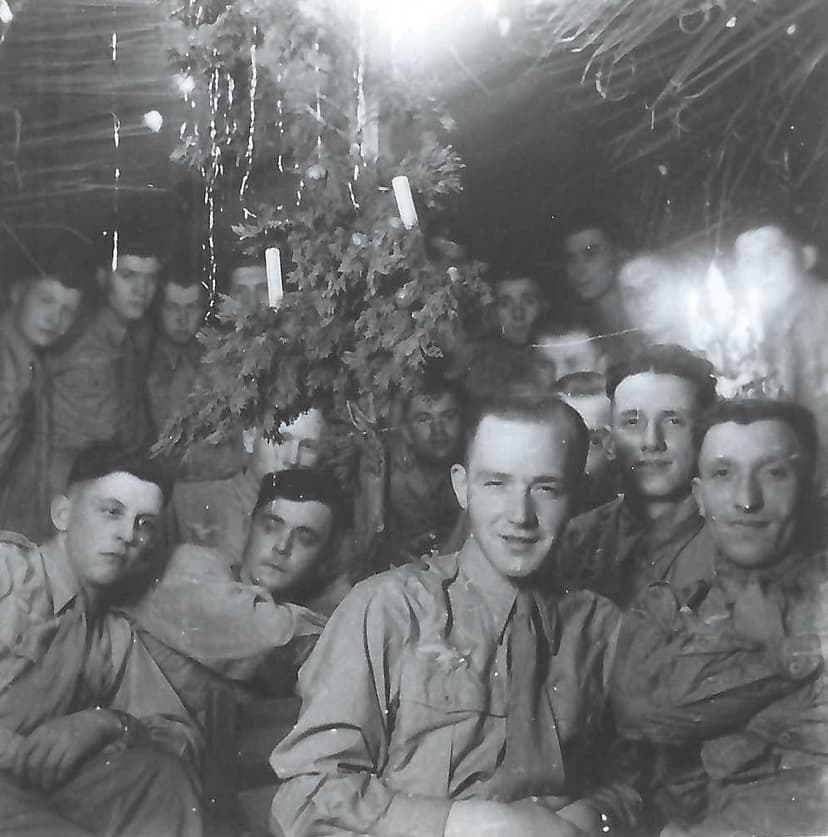
In World War II, Iowa became a surprising site for reconciliation as over 25,000 German prisoners of war labored on farms from 1943 to 1946. Camp Algona was one of two major facilities, housing prisoners captured in North Africa. Initially, residents harbored deep fears fueled by wartime propaganda and the visibility of enemy leaders like Hitler.
However, the daily reality of prisoners working on family farms, often alongside women and children, fostered a unique community bond. Language barriers eased as many prisoners and locals shared German heritage. Trust grew, with prisoners eating meals at farm tables and even being left unsupervised by guards, highlighting the unusual leniency.
Inside the camps, cultural exchanges thrived, with prisoners organizing musical performances and church services. This interaction shifted perceptions, revealing the prisoners' humanity and challenging preconceived notions of the enemy. The shared experience created lasting connections, with some Iowa families continuing to support former prisoners in post-war Germany.