Home / War and Conflict / US Military Relearns Tourniquet Removal Amidst New Threats
US Military Relearns Tourniquet Removal Amidst New Threats
19 Jul
Summary
- US military now trains medics to remove tourniquets, not just apply them.
- Lessons from Ukraine highlight risks of prolonged tourniquet use.
- Future wars may prevent rapid evacuation, demanding new tactics.
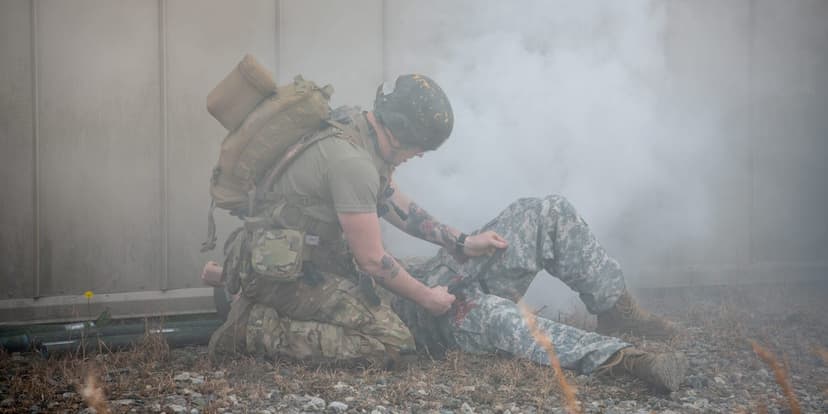
As the US military anticipates future high-intensity conflicts, its medical personnel are undergoing revised training that emphasizes tourniquet removal, a skill largely set aside during the Global War on Terror. Modern tourniquets are critical for stopping life-threatening bleeding, but prolonged application without timely medical intervention can cause significant harm, including organ dysfunction and limb loss.
The conflict in Ukraine has provided stark lessons, illustrating how prolonged tourniquet use can turn treatable injuries into amputations due to toxin release and nerve damage. With air superiority no longer guaranteed and evacuation routes often contested or impossible, medics are increasingly forced to manage casualties for extended periods on the battlefield.
This evolving doctrine stresses the importance of 'tourniquet conversions,' where medics must assess and potentially switch to less destructive bleeding control methods like pressure dressings to preserve limbs. This essential training is now being extended to various special operations units and allied forces, reflecting a necessary adaptation to the realities of modern warfare.


