

Home / War and Conflict / US Faces Echoes of 1980s Tanker War in Hormuz
US Faces Echoes of 1980s Tanker War in Hormuz
24 Apr
Summary
- Iran's current actions mirror tactics used during the 1980s 'Tanker War'.
- Strait of Hormuz is vital, carrying 20% of global oil and gas trade.
- Modern technology makes replicating past US escort missions difficult.
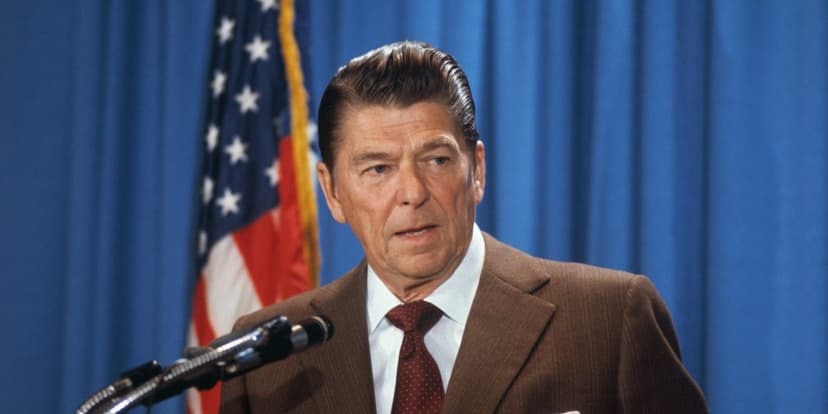
Recent incidents involving Iranian speed boats and naval mines in the Persian Gulf echo the "Tanker War" of the 1980s. During that conflict, Iran targeted shipping in the Strait of Hormuz during its war with Iraq, prompting U.S. naval escorts to ensure the flow of oil. Today, the U.S. faces similar challenges in protecting ships traversing this vital waterway, through which 20% of the world's traded oil and natural gas passes.
The U.S. military has demonstrated a willingness to respond, with President Trump ordering aggressive action against Iranian boats. However, the effectiveness of repeating past escort missions is uncertain. Military technology has advanced significantly since the 1980s, particularly in asymmetric warfare tactics employed by Iran. The U.S. also lacks the clear, narrow objectives it held during the earlier "Tanker War."
Iran's Revolutionary Guard has adapted to sanctions, using small, civilian-sized vessels equipped with heavy machine guns and rocket launchers to harass and seize commercial ships. These tactics, as seen this week with the seizure of two cargo ships, demonstrate Iran's ability to disrupt global trade with limited resources. This raises concerns about holding the global economy hostage.
Past U.S. interventions, such as Operation Earnest Will, were not without significant danger, including mine strikes and missile attacks, and even a mistaken shoot-down of a commercial airliner. While these operations eventually succeeded in escorting numerous convoys, recreating that level of security in the present day is considered a formidable task given the current threat landscape and technological advancements. European nations have notably declined to join U.S.-led escort missions.
Furthermore, the strategic objectives for U.S. involvement have reportedly broadened beyond simply securing the strait, unlike the more defined Cold War-era goals. Recent limited U.S. Navy escorts in the Red Sea focused on U.S.-flagged vessels, facing intense combat. The current situation in the Strait of Hormuz may necessitate an equally intense response, the appetite for which remains unclear amidst evolving White House statements on the ceasefire's status.
