Home / War and Conflict / China's Missile Threat: US Faces Land War Gap
China's Missile Threat: US Faces Land War Gap
15 Dec
Summary
- China's missile force threatens Western Pacific bases.
- US faces a near-term shortage of long-range munitions.
- Alliances are a key US advantage in the Pacific.
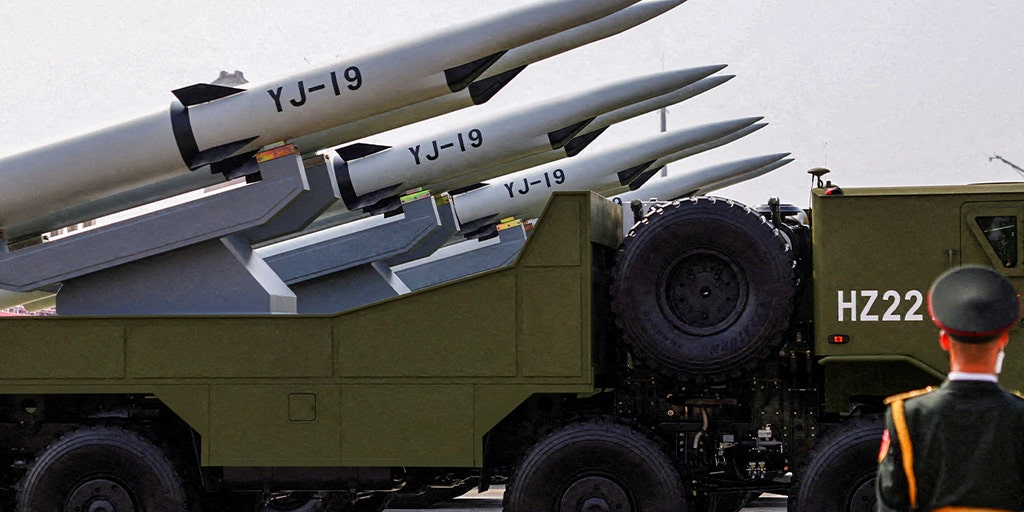
China's People's Liberation Army Rocket Force has developed a vast arsenal of short, medium, and long-range missiles, designed to keep U.S. forces at bay. This land-based firepower, supported by underground facilities and mobile launchers, aims to neutralize key airfields and ports across the Western Pacific, a strategic workaround for China's perceived air superiority limitations.
The United States is rapidly expanding its own long-range missile production and refining its targeting and survivability capabilities, which currently surpass China's. Despite China's numerical advantage in missiles, the U.S. benefits from a sophisticated global surveillance network and decades of combat-tested joint operations. Alliances with countries like Japan and Australia also provide crucial depth and basing options not available to China.
While China's missile strategy focuses on overwhelming U.S. bases early in a conflict, the U.S. employs layered air defenses and stealthy submarine-launched missiles. The competition is increasingly defined by factors like basing access, command integration, and the ability to sustain fire, where U.S. alliances and technological advantages offer a significant edge in the Pacific's critical land domain.