Home / War and Conflict / Normandy Beaches: D-Day Sites Gain UNESCO Status
Normandy Beaches: D-Day Sites Gain UNESCO Status
26 Jul
Summary
- Normandy's D-Day landing beaches are now UNESCO World Heritage sites.
- Mount Olympus, home of Greek gods, also received heritage status.
- South Sudan's Boma-Badingilo Migratory Landscape is its first heritage site.
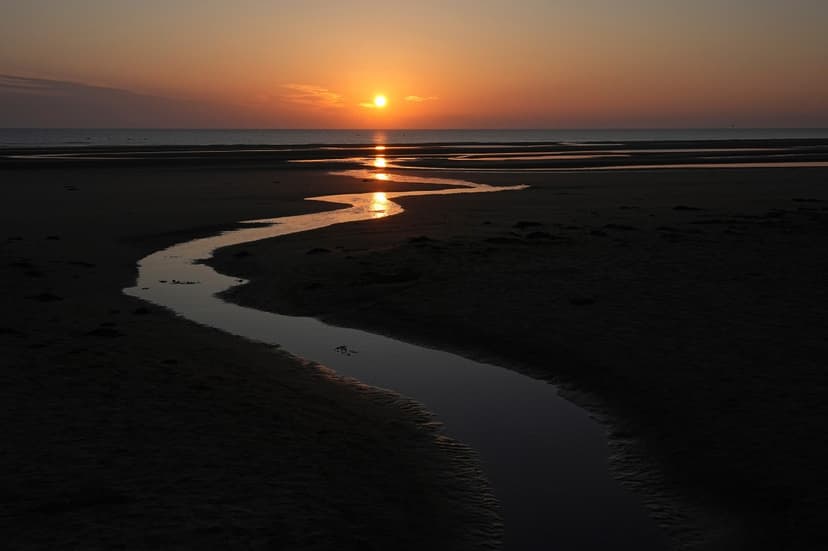
The UNESCO World Heritage Committee has officially added the beaches of Normandy, France, where Allied troops launched the D-Day invasion, to its prestigious list. This designation recognizes the historical importance of Omaha, Utah, Sword, Gold, and Juno beaches, along with Pointe du Hoc, sites central to the June 6, 1944, operation. These locations preserve evidence of the landings and are seen as symbols of freedom's return.
Alongside Normandy, Greece's Mount Olympus, the legendary home of the gods and a site of rich biodiversity, received recognition. Japan's ancient capitals of Asuka and Fujiwara, significant for early state development, were also inscribed. South Sudan celebrated its first World Heritage Site with the Boma-Badingilo Migratory Landscape, home to vast animal migrations.
These new listings underscore UNESCO's commitment to preserving sites of outstanding cultural, historical, and natural value worldwide. While the designations aim to encourage long-term preservation and raise global awareness, they also bring challenges such as tourism pressure and climate change, requiring strengthened conservation measures for these invaluable locations.


