Home / War and Conflict / Ukraine's Grid Endured Russia's Harsh Winter Assault
Ukraine's Grid Endured Russia's Harsh Winter Assault
12 Mar
Summary
- Ukraine's energy grid survived its coldest winter in a decade.
- Russia launched 15 large-scale attacks on energy facilities.
- Round-the-clock repairs and Western aid kept the grid from collapse.
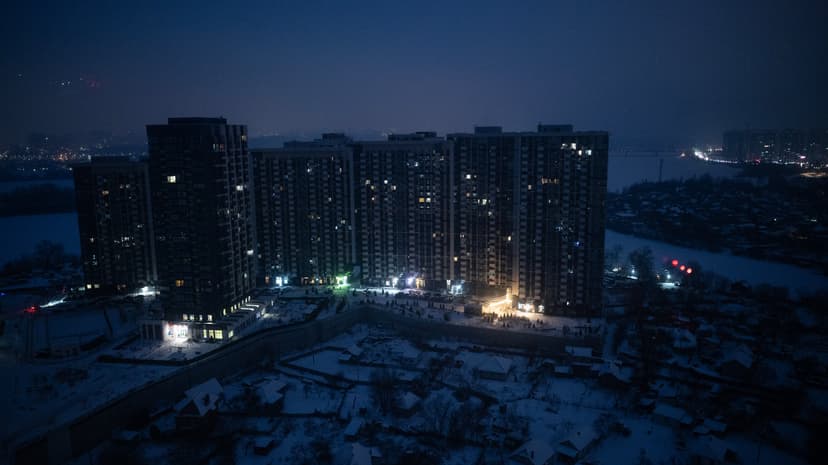
Ukraine's energy system withstood an unprecedented assault during its coldest winter in a decade, successfully averting a complete breakdown. Russia intensified its attacks, launching 15 large-scale strikes involving drones and missiles between December and February, significantly more than in previous winters. These assaults were strategically designed to cripple civilian life and trigger a humanitarian crisis by targeting essential links in the energy chain, from power plants to substations.
Despite facing extreme cold and prolonged power outages, where Kyiv residents spent half of January days without electricity on average, Ukraine's grid remained operational. This resilience was largely due to continuous, round-the-clock repair efforts and critical emergency equipment supplies from Western partners. These interventions were vital in pulling the grid back from the brink of collapse, allowing the nation to navigate its most challenging winter of the war.
Russia's tactics evolved this winter, shifting from broad attacks to a scorched-earth approach targeting specific facilities repeatedly to obliterate them. By cutting transmission lines between regions, Moscow aimed to isolate and crush smaller energy zones. Key infrastructure, including CHPP-4 in Kyiv, which supplied heat to hundreds of thousands, was severely damaged, halting heat supplies indefinitely for many residents.
In response to the relentless attacks, Ukraine shifted its focus from solely repairs to securing backup power sources like diesel generators and boiler units from Western nations. This, combined with the widespread adoption of household and business-installed power stations, contributed to averting a full-blown humanitarian crisis. Looking ahead, experts stress the need for grid decentralization, increased equipment stockpiles, and enhanced protection for critical energy infrastructure to prepare for future challenges.